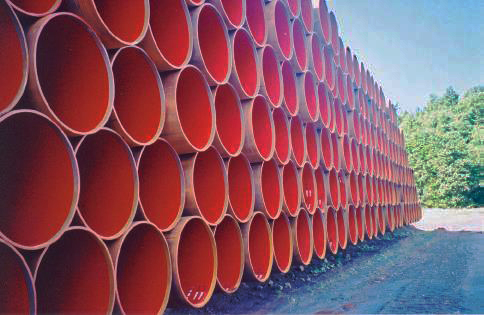

The Evolution of High-Frequency Welded Line Pipe
.jpeg)
What is API Electric Resistance Welded (ERW) Line Pipe?
Electric Resistance Welded (ERW) pipe has been a widely used manufacturing method for decades, particularly in the oil & gas, infrastructure, and water transmission industries. This manufacturing process involves shaping a steel strip into a cylindrical form and using electrical resistance to generate heat, fusing the seam without filler material. However, early ERW technology—specifically low frequency (LF) AC welding—was prone to weld seam integrity issues, prompting significant industry advancements.
The Transition to High-Frequency Welding (HFW)
By the 1970s and 1980s, advancements in welding technology led to the widespread adoption of High Frequency Welding (HFW), an evolution of ERW that uses high-frequency currents (either induction or conduction) to heat and forge the seam under controlled pressure. Simultaneously, improvements in steel production—particularly the shift to fully killed steel, which removes oxygen and minimizes inclusions, enhanced weld quality, mechanical properties, and overall structural integrity. These advancements resulted in stronger, more uniform weld seams with improved toughness and fatigue resistance, eliminating impurities for a more reliable product. Given these improvements, all modern API 5L ERW pipe manufacturers now exclusively utilize high-frequency welding, prompting the industry to reclassify the product as HFW pipe.
Why HFW Replaced ERW in Industry Terminology
The outdated LF ERW process was associated with weld inconsistencies and failures, particularly in high stress applications such as offshore pipelines and high-pressure hydrocarbon transport. The transition to HFW terminology reflects improved weld integrity through high-frequency induction welding and compliance with modern industry standards, as API and regulatory bodies now recognize HFW as the benchmark for welded pipe.
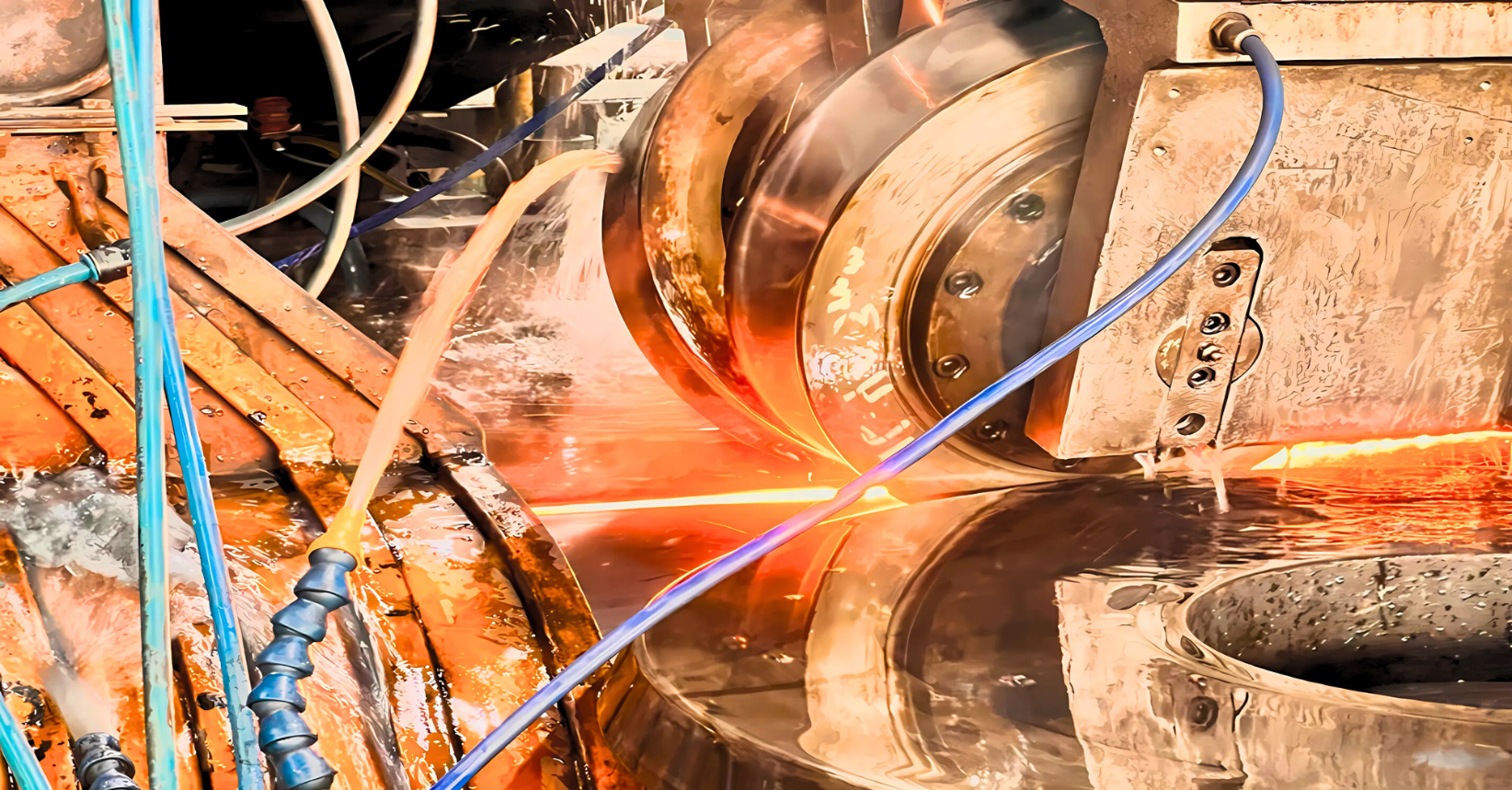
In the past, basic furnace annealing was used on some ERW pipes, but there was no precise control over the microstructure. Consequently, there were high defect rates due to grain growth and inconsistent mechanical properties, specifically in the weld area. Today, post-weld heat treatment uses induction annealing, controlling precise heat and targeting precise seam location. These controlled heating and cooling techniques drastically improve yield strength and ductility.


HFW pipe is now widely accepted and trusted for demanding applications, offering performance that rivals seamless pipe while providing cost and production efficiency advantages. While ERW remains a commonly used term, HFW has become the standard for high-frequency welded line pipe, distinguishing it from outdated, lower-quality ERW processes. That said, most in the industry still refer to it as ERW out of habit, even though modern manufacturing aligns with HFW technology.
Further Development of ERW Line Pipe: Quality & Offshore Acceptance
ERW line pipe has undergone significant transformation, overcoming historical material inconsistencies and weld seam concerns. Despite initial skepticism, improvements in steel production, welding precision, and rigorous testing have solidified ERW’s place in both onshore and offshore pipeline infrastructure.
By the 1970s, steel manufacturing had significantly improved, leading to cleaner and more predictable performance characteristics. One of the key breakthroughs was the transition to fully killed steel, a deoxidation process that removed oxygen and minimized inclusions. These advancements made ERW pipe viable for high-stress applications, including offshore environments. However, early concerns about fatigue resistance in harsh marine environments and weld seam reliability delayed widespread offshore adoption.
To counteract these doubts, U.S. pipe mills implemented stringent hydrostatic testing, which involved:
• Pressurization Beyond SMYS – Pipes were tested beyond 100% of Specified Minimum Yield Strength (SMYS) to ensure weld seam durability.
• Burst, Bend, and Flattening Tests – These tests confirmed mechanical integrity and weld toughness.
The Modern Standard: HFW Pipe’s Reliability and Industry Adoption
ERW line pipe has undergone a remarkable transformation from its early challenges to becoming a trusted solution for critical applications. The shift to cleaner, fully killed steel and improvements in welding technology have significantly enhanced its performance and reliability. While initial skepticism delayed its acceptance in offshore environments, the advancements in cleaner steel and technology in pipe mills have cemented ERW’s reputation as a strong, cost-effective, and dependable choice for modern pipeline systems.
MORE POSTS
JD Fields & Company Navigates Strong U.S. Steel Market with Flexible Domestic and International Sourcing Strategy
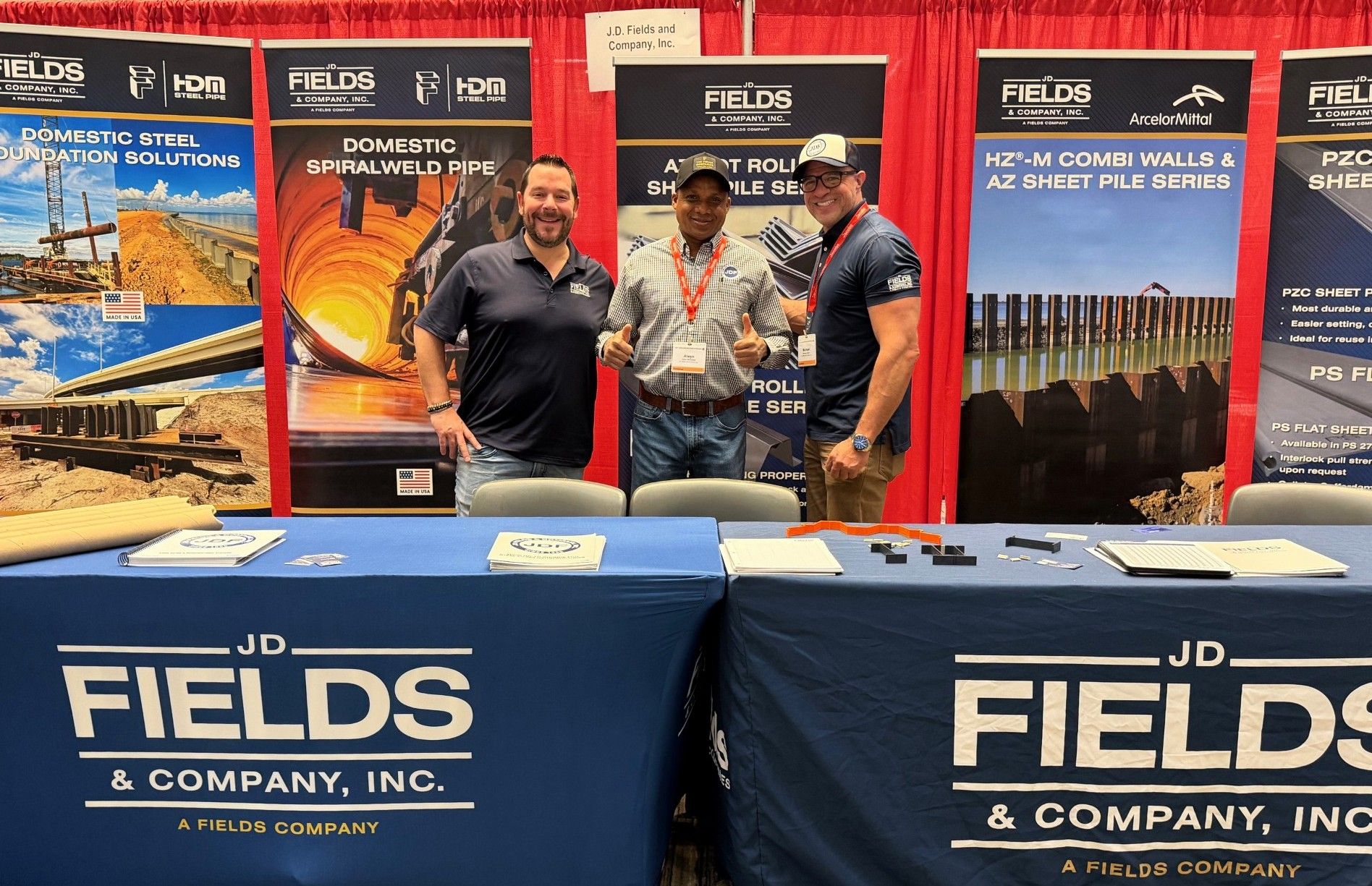
JD Fields Makes a Strong Showing at the FTBA Construction Symposium
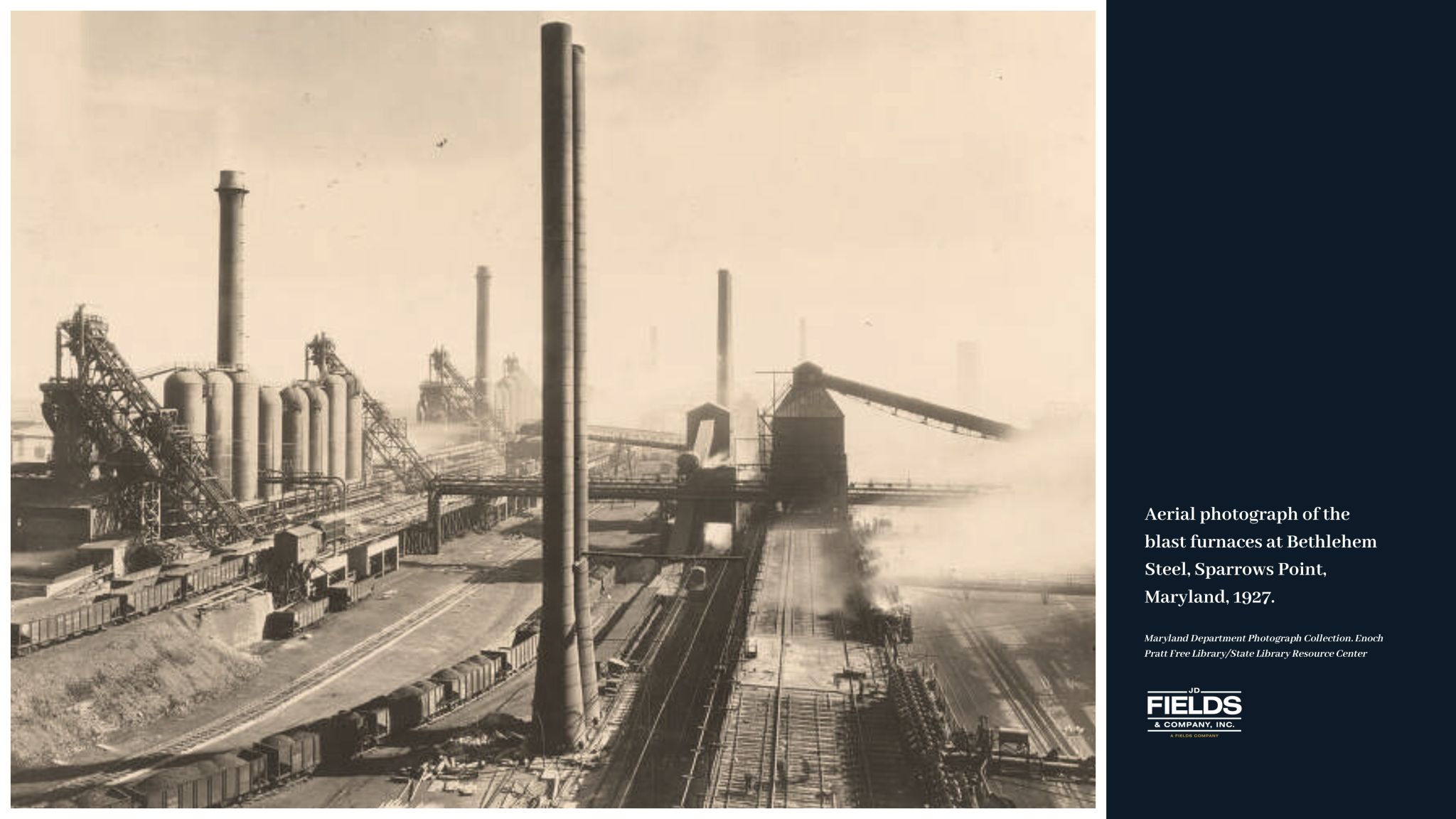
Honoring the Steel Legacy of Sparrows Point, Maryland

JD Fields Canada at the 99th Annual Ontario Road Builders' Association Convention
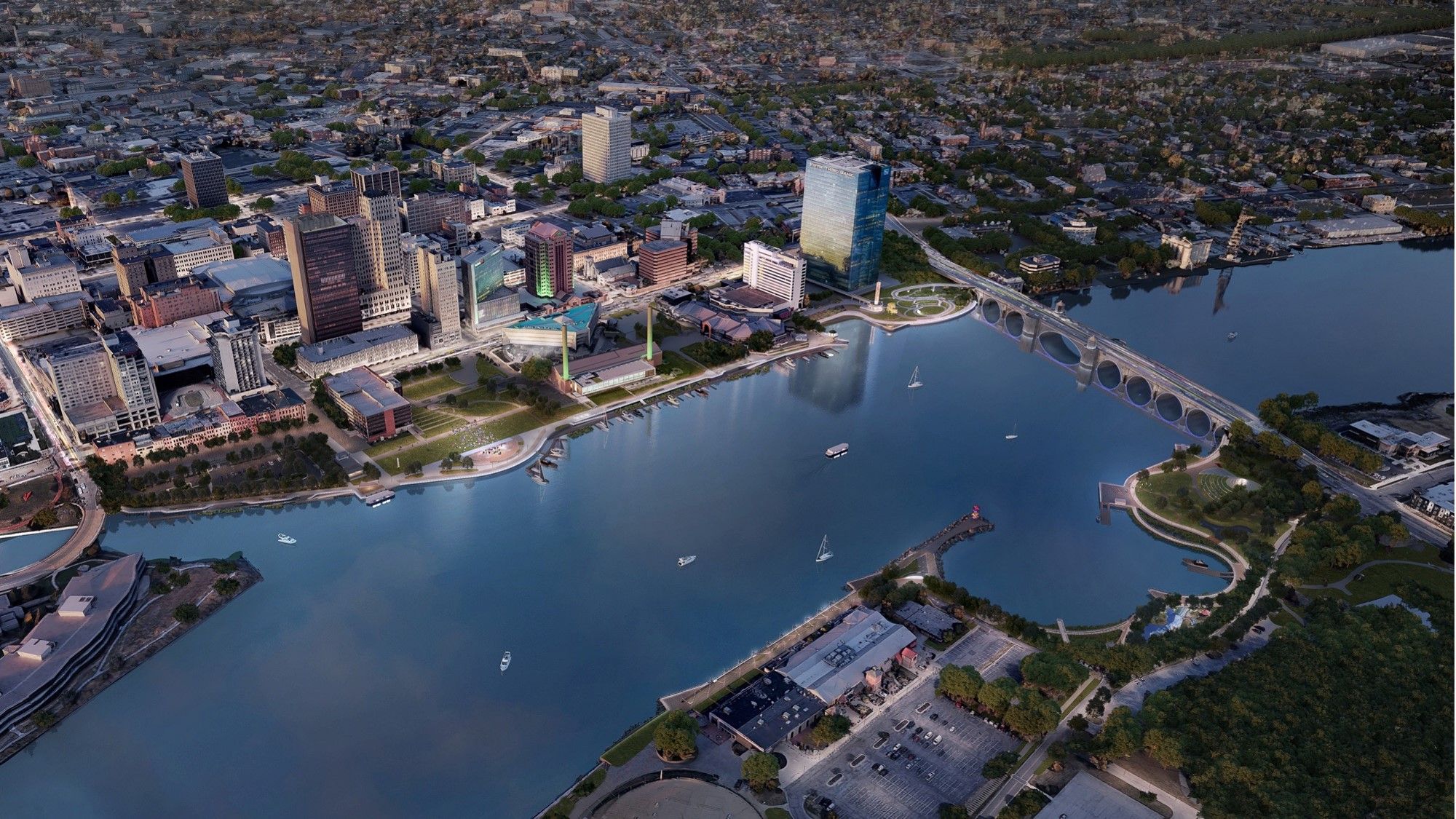
Engineering the Glass City Riverwalk: JD Fields' Seawall Solution in Toledo, Ohio
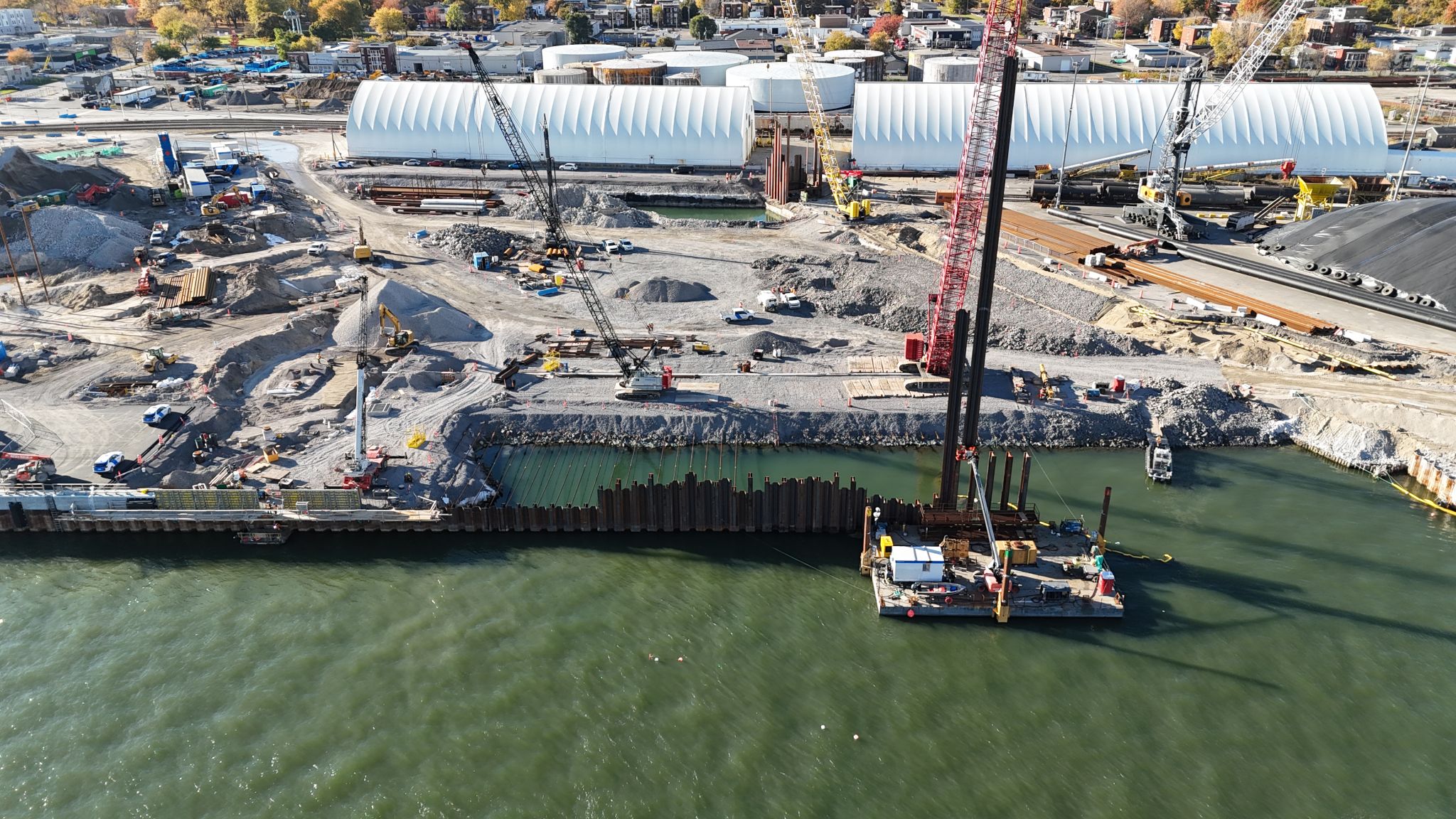
4,000 Tons Strong: JD Fields Canada Supplies Steel for Port of Trois-Rivières
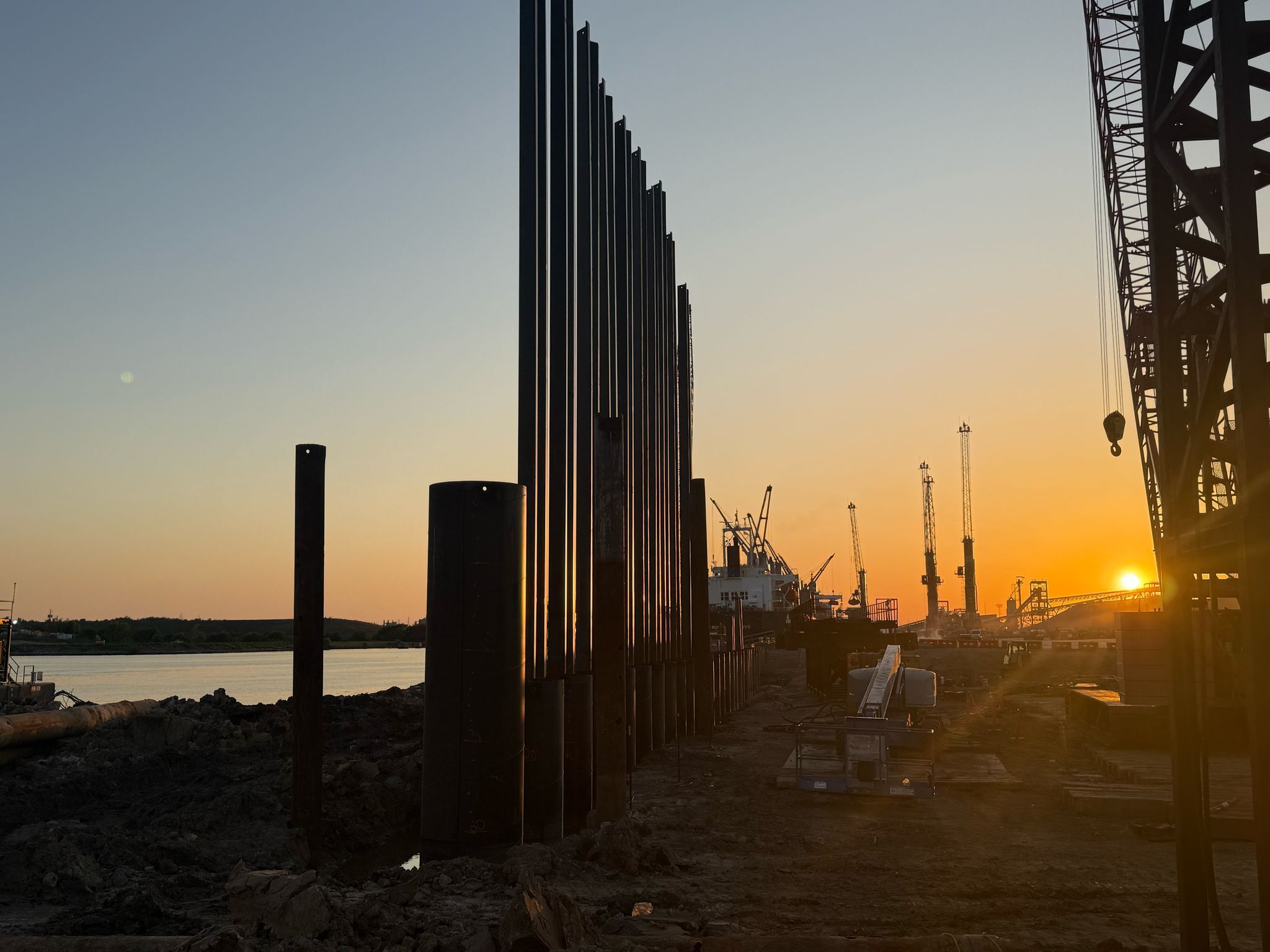
Sunset at JDF-HDM Spiralweld: 250,000 Square Feet of Pipe Production on the Texas Gulf

Rio Hondo III Noise Barrier: Strengthening Puerto Rico's Transportation Corridors

60-Inch Monopiles Delivered to Port of Houston: Supporting America's Busiest Port
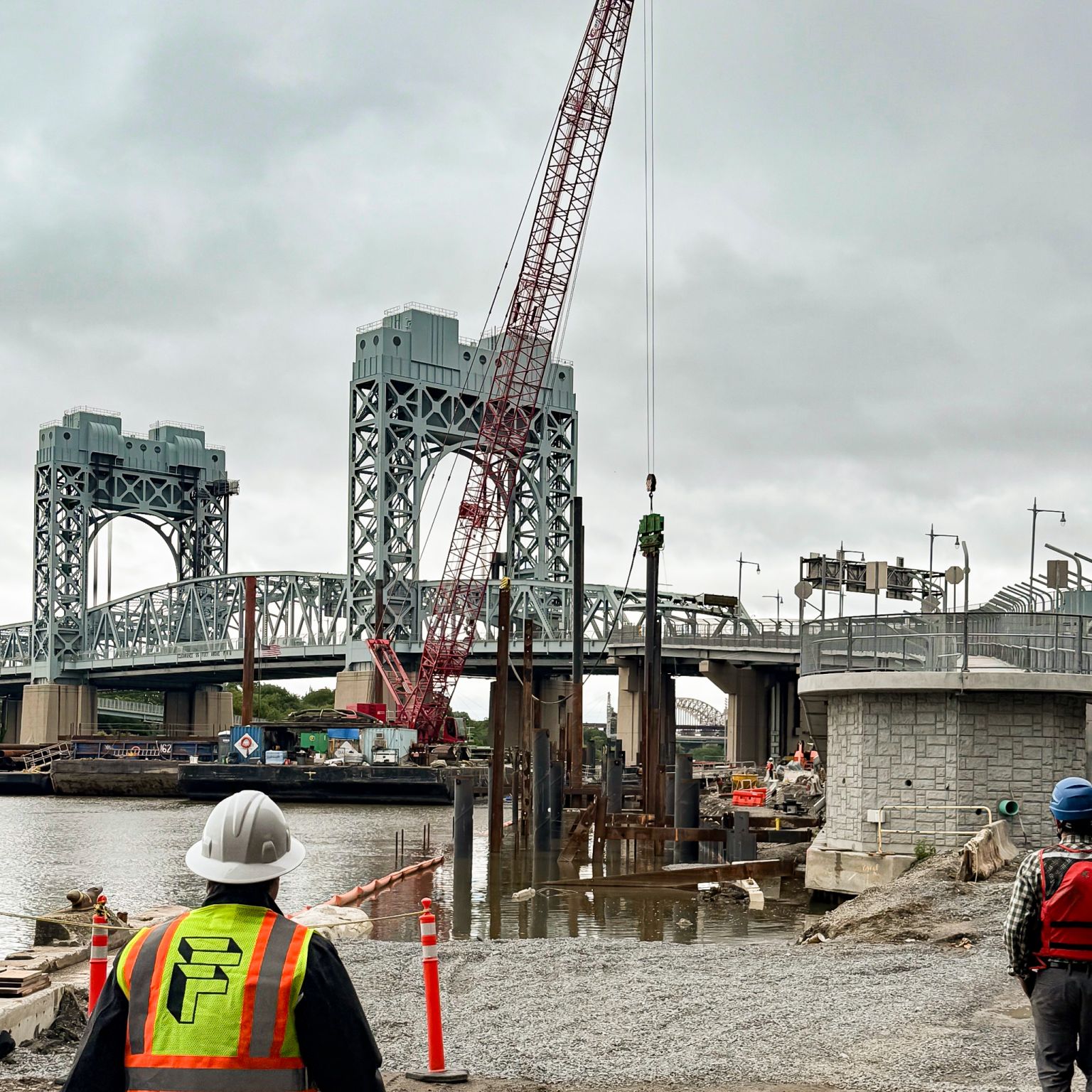
Manhattan Greenway Harlem River: Reinforcing NYC's Waterfront Legacy

Panamerican Pier Project: Strengthening Puerto Rico's Maritime Gateway
11,350 Tons of Heavy Wall Pipe Delivered for South Texas LNG Infrastructure
U.S. Steel Leadership: Clean Production Meets Global Infrastructure Demand
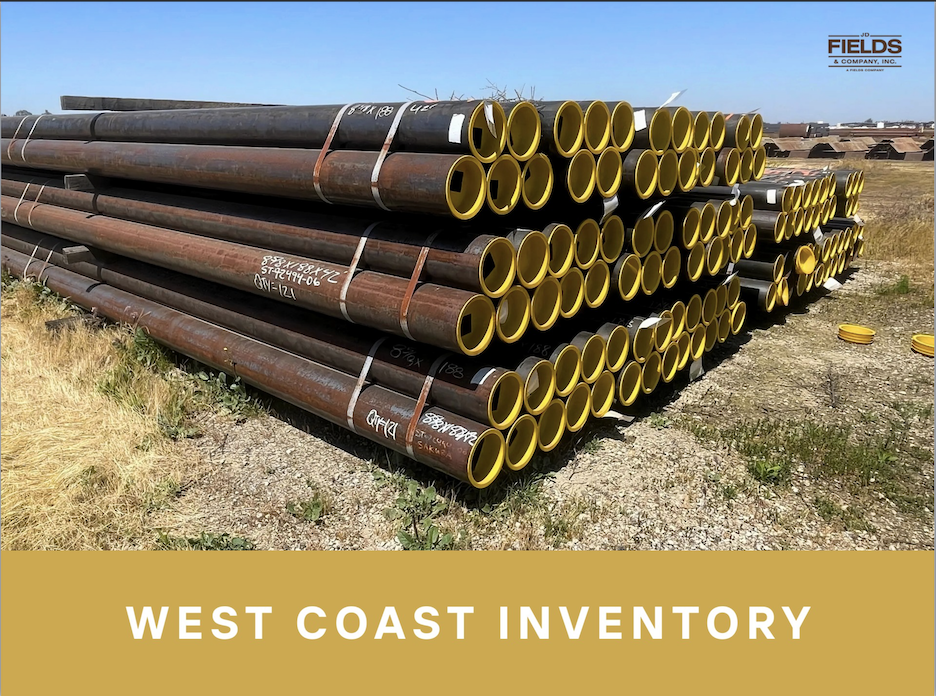
West Coast Yard Inventory: Steel Solutions for Infrastructure and Energy Projects

Deep Foundations Institute SuperPile Conference: Showcasing Steel Solutions in Cleveland
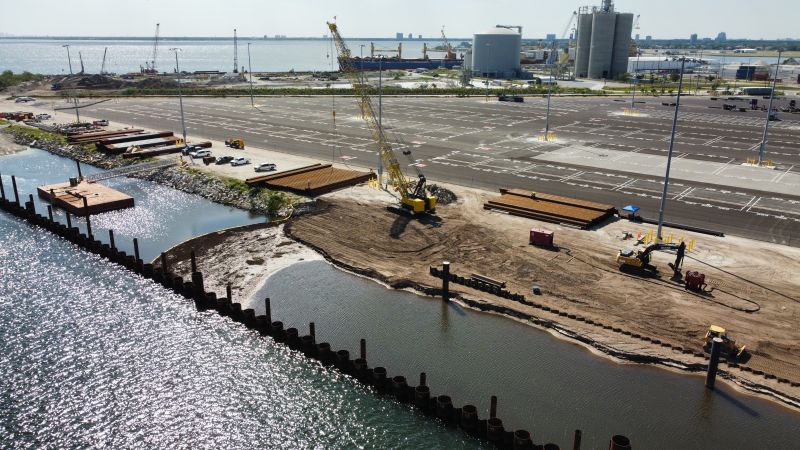
Port Tampa Berth 214: American-Made Steel Secures Marine Infrastructure Future
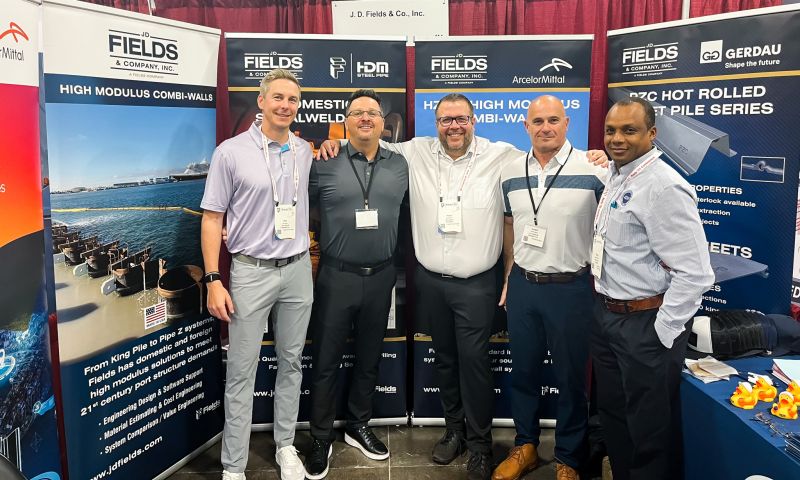
Connecting with Marine Infrastructure Leaders at ASCE PORTS Conference
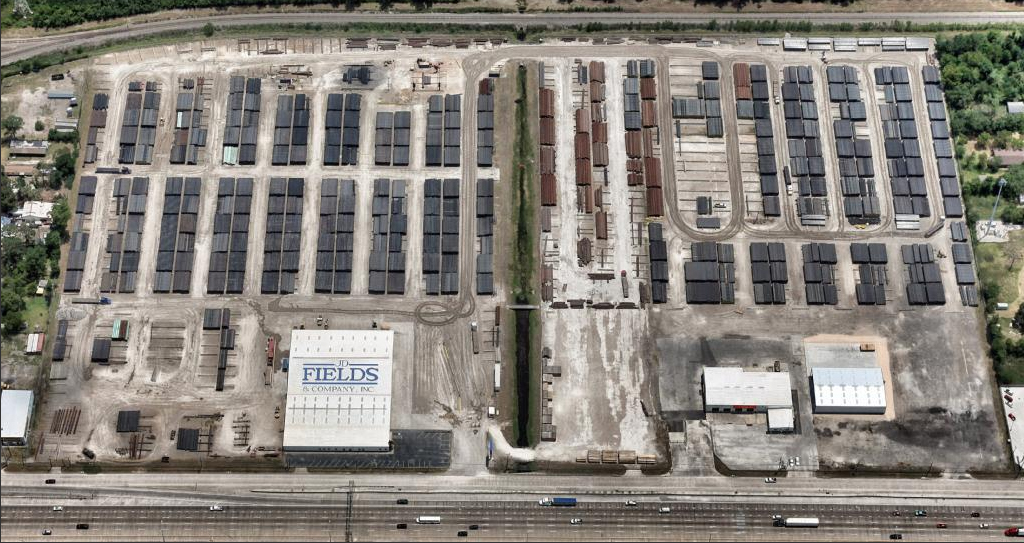
Strategic Inventory Solutions: Bonded Facility Near Port of Houston
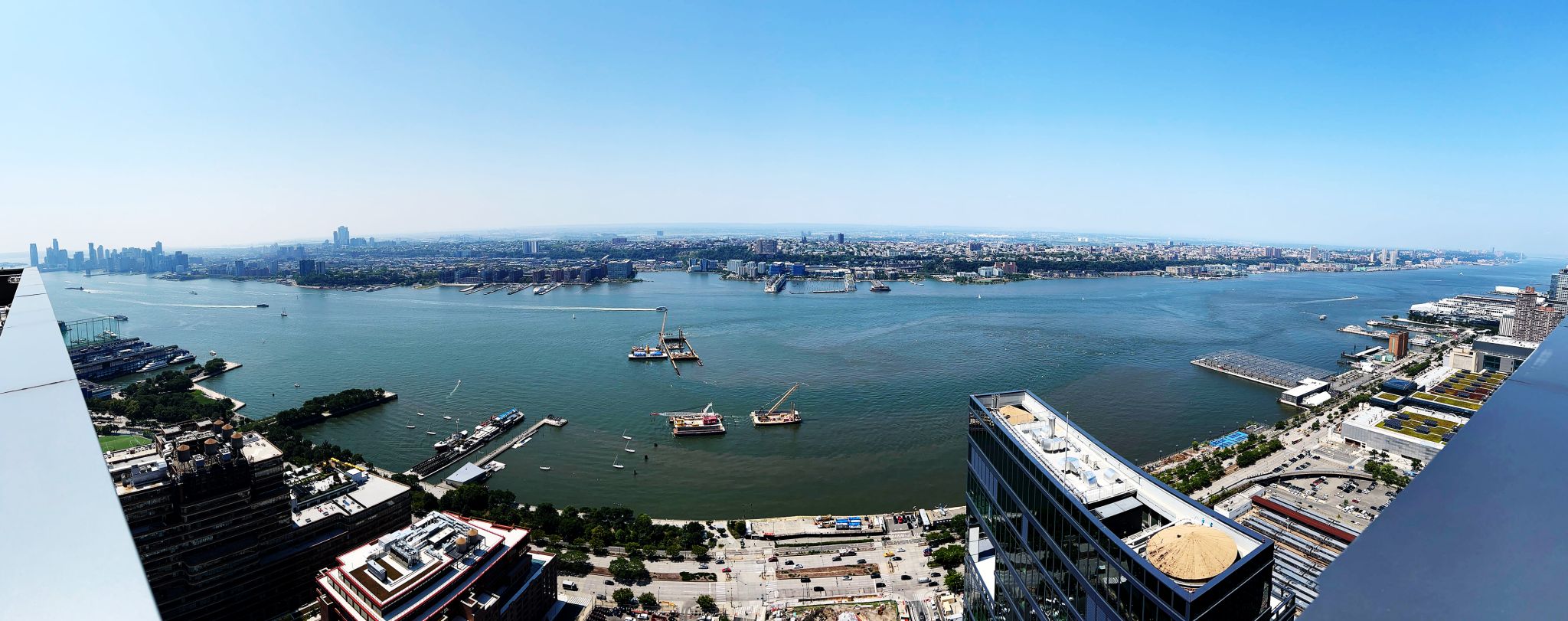
Hudson River Ground Stabilization: Building the Foundation for Gateway's Future

Halifax Engineers Gather for Marine Geostructures Seminar in Nova Scotia
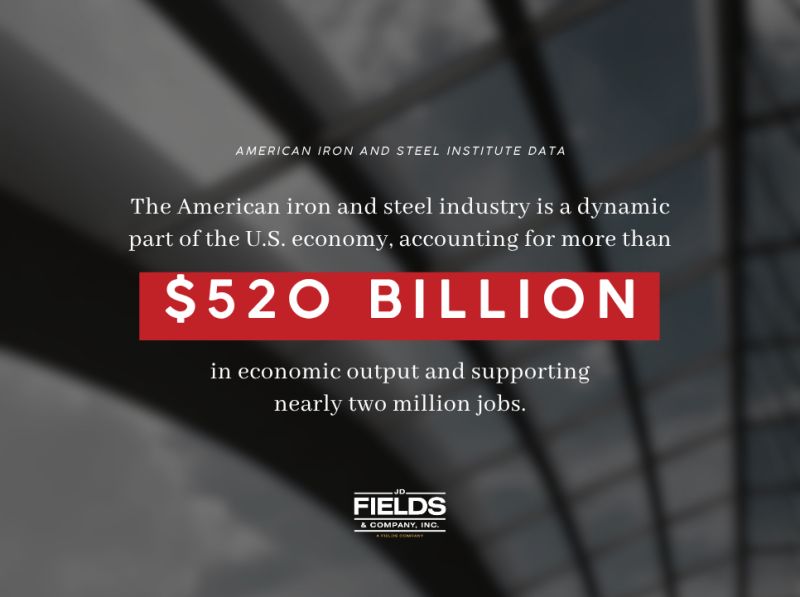
Steel Industry's $520 Billion Impact: Navigating Market Trends with Confidence
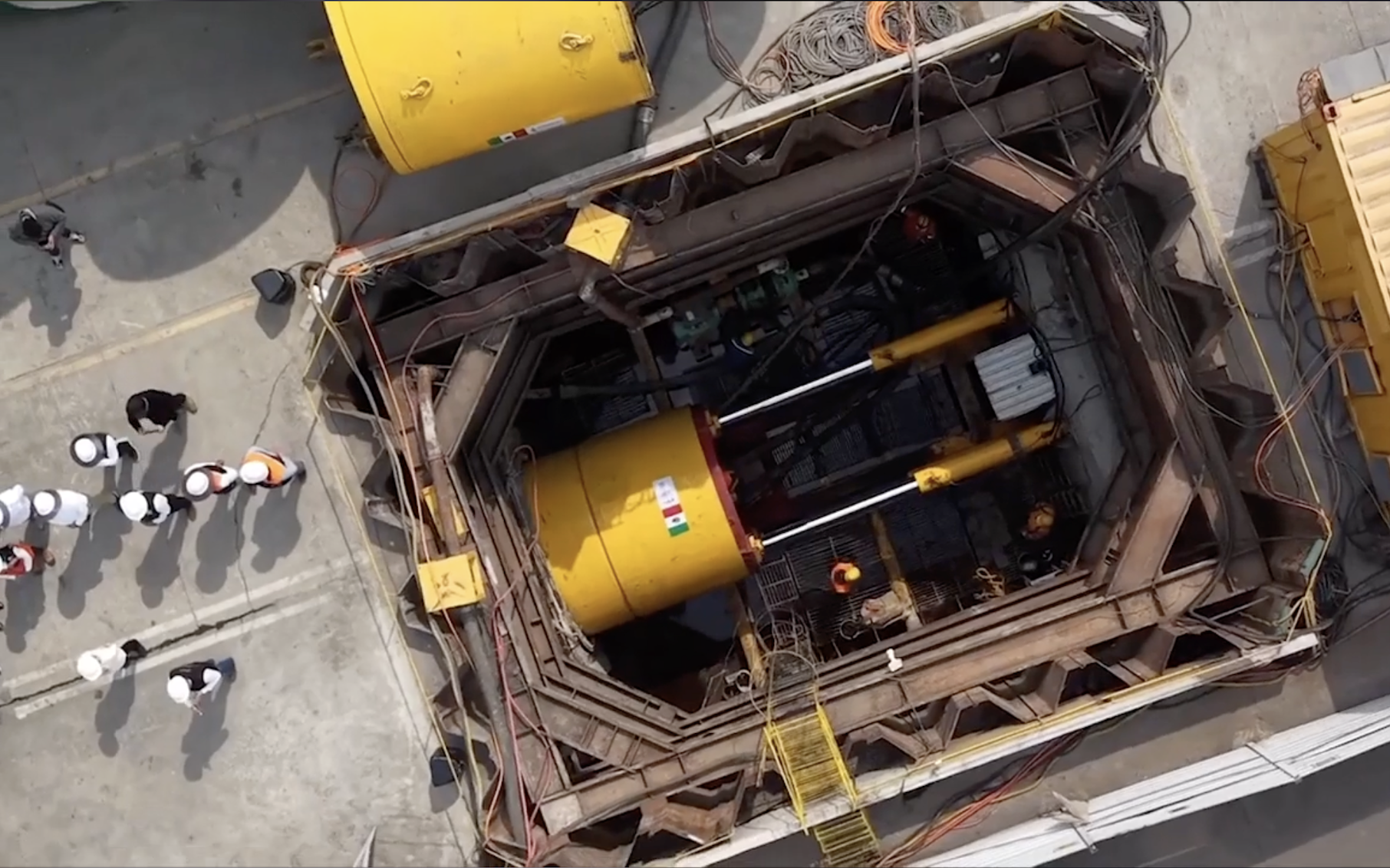
AZ Sheet Piling Supports Critical Water Management Project in Chalco, Mexico
Sponsoring and Exhibiting at 2025 CIAPR ExpoConvención in Puerto Rico
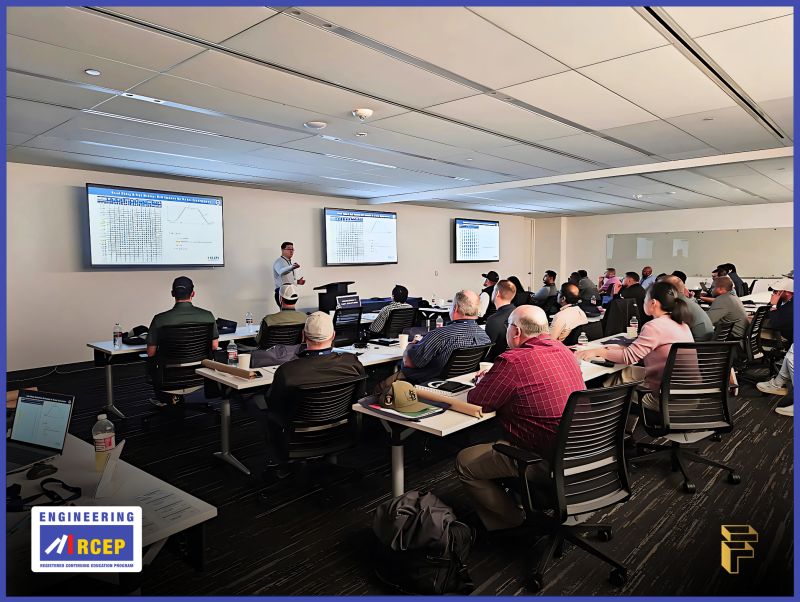
Certified Continuing Education: Learn and Earn with Steel Geostructure Experts

JD Fields & Company 2025 Sales Conference: Strategic Alignment in the Heart of Nashville

JD Fields Welcomes Andrea Bolletino and Jeremy Davidson to the Team
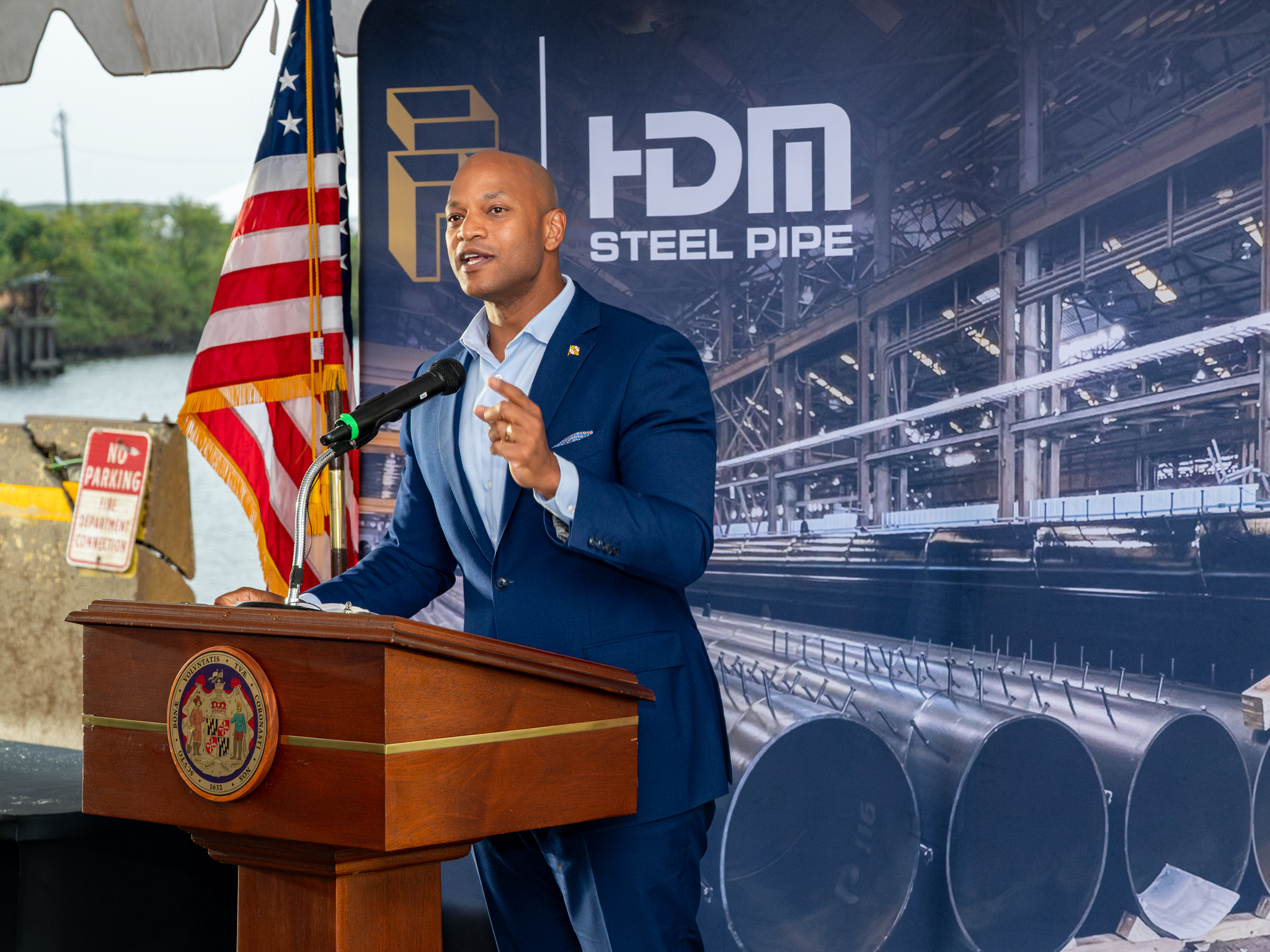
National Media Spotlights New Sparrows Point Steel Fabrication Facility
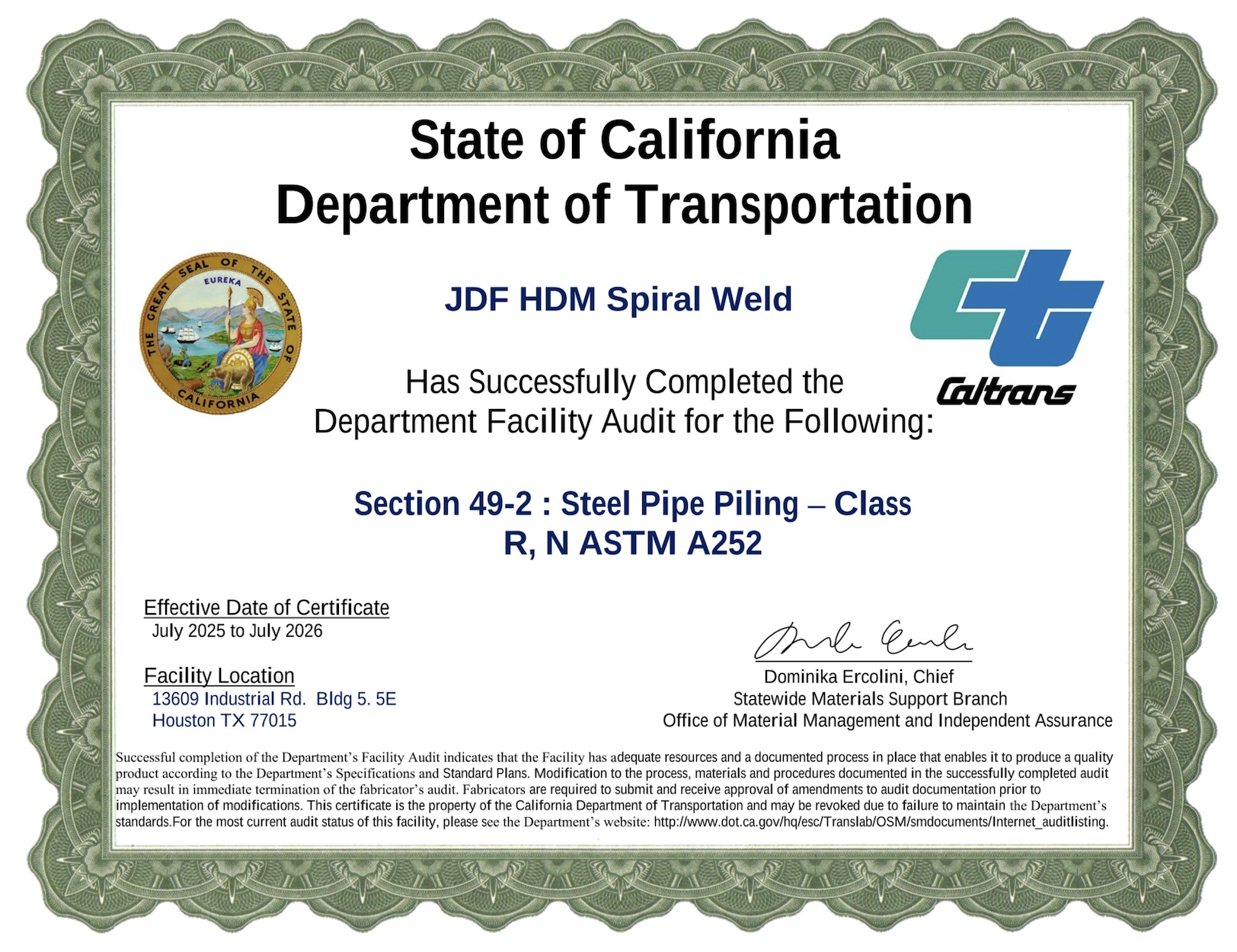
JD Fields & Company Caltrans Certification Unlocks California Market for Pipe Foundations
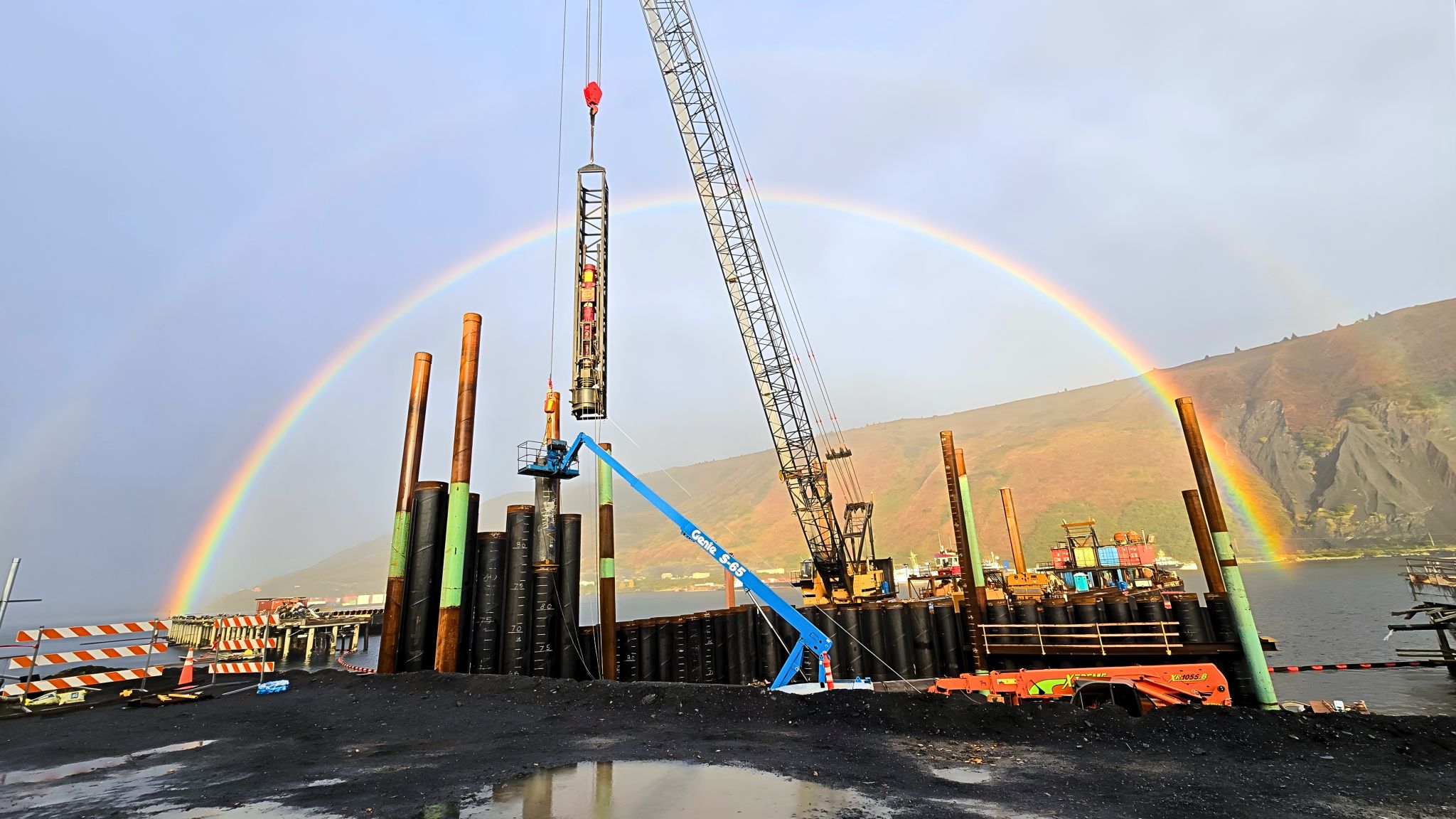
Alaska Marine Project: Steel Piles Meet Nature's Double Rainbow
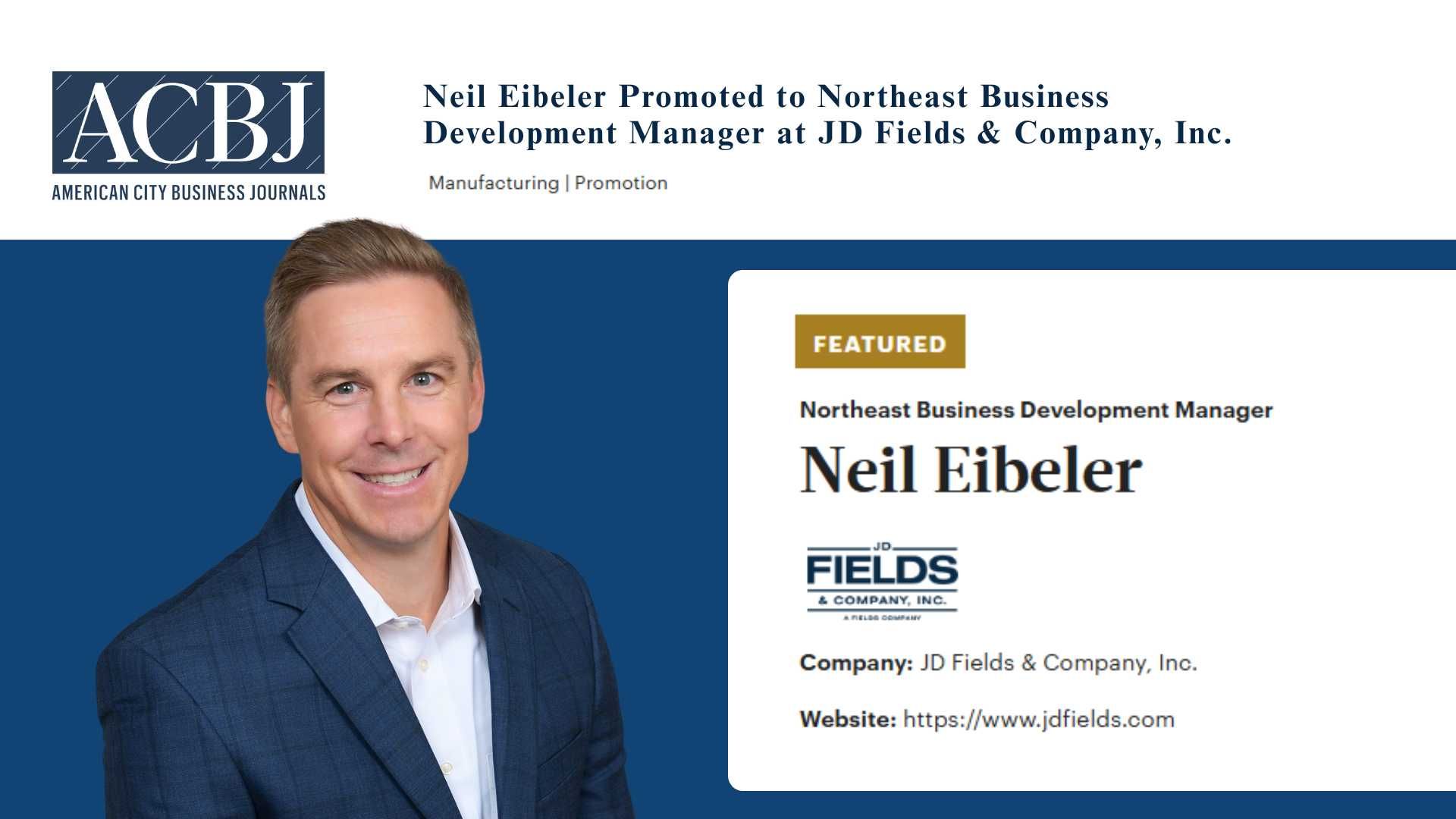
Neil Eibeler Takes on Northeast Business Development Role

Three Days in Nashville: DFI's 50th Annual Deep Foundations Conference
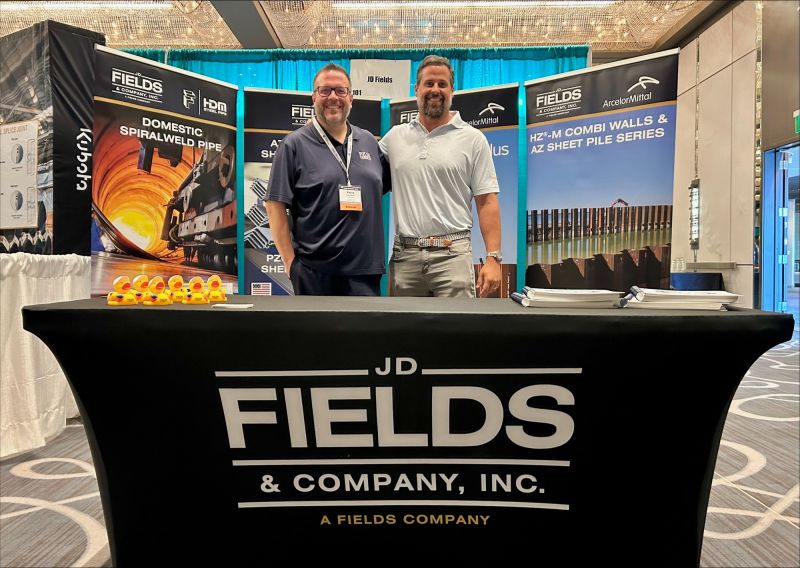
JD Fields & Company Attends ASCE Geo-Extreme Conference in Long Beach
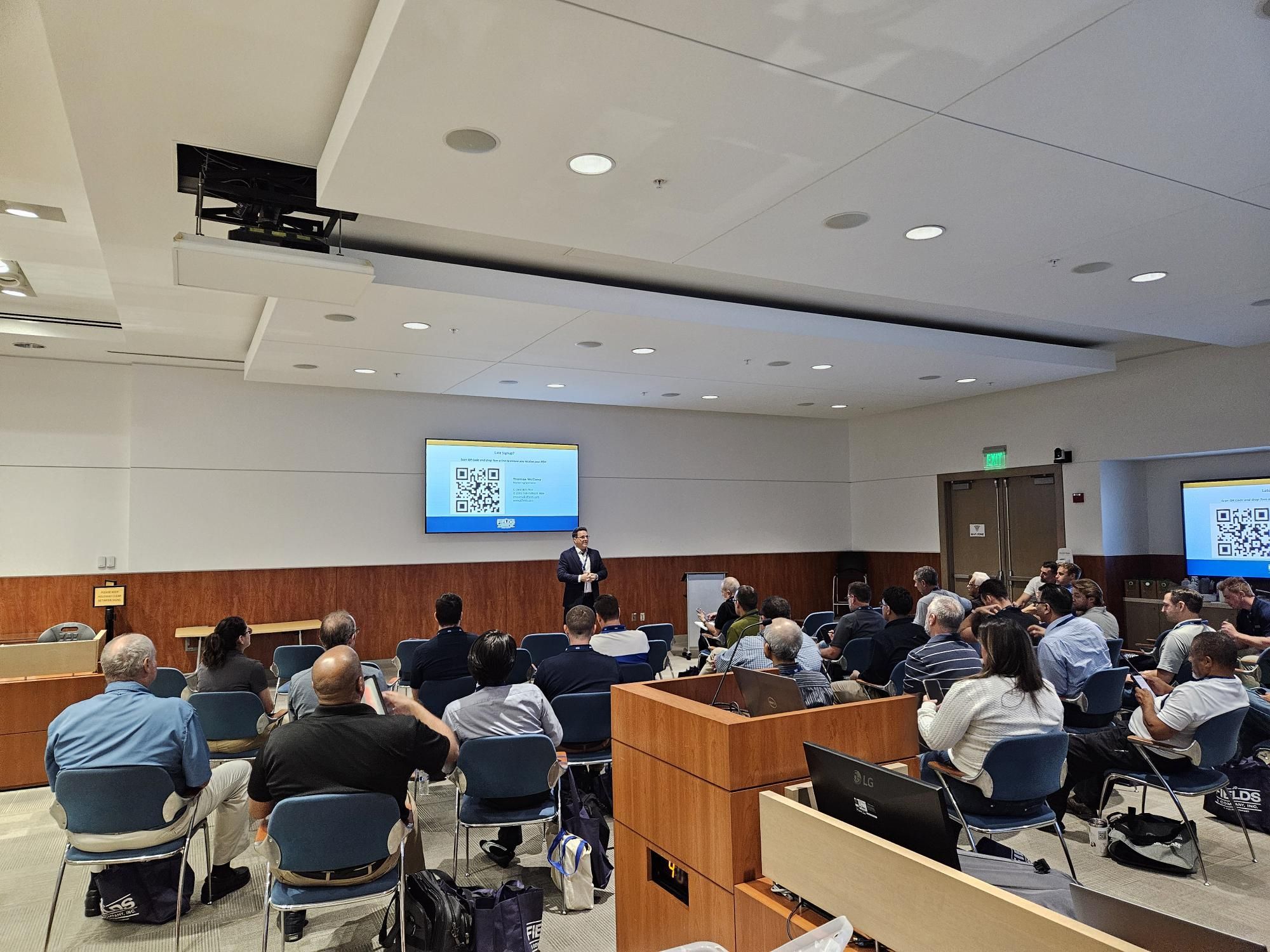
Innovation in Port Structures: Third Annual Tampa Seminar Wrap-Up

Reviving the Legacy of Steel in Sparrows Point, Maryland
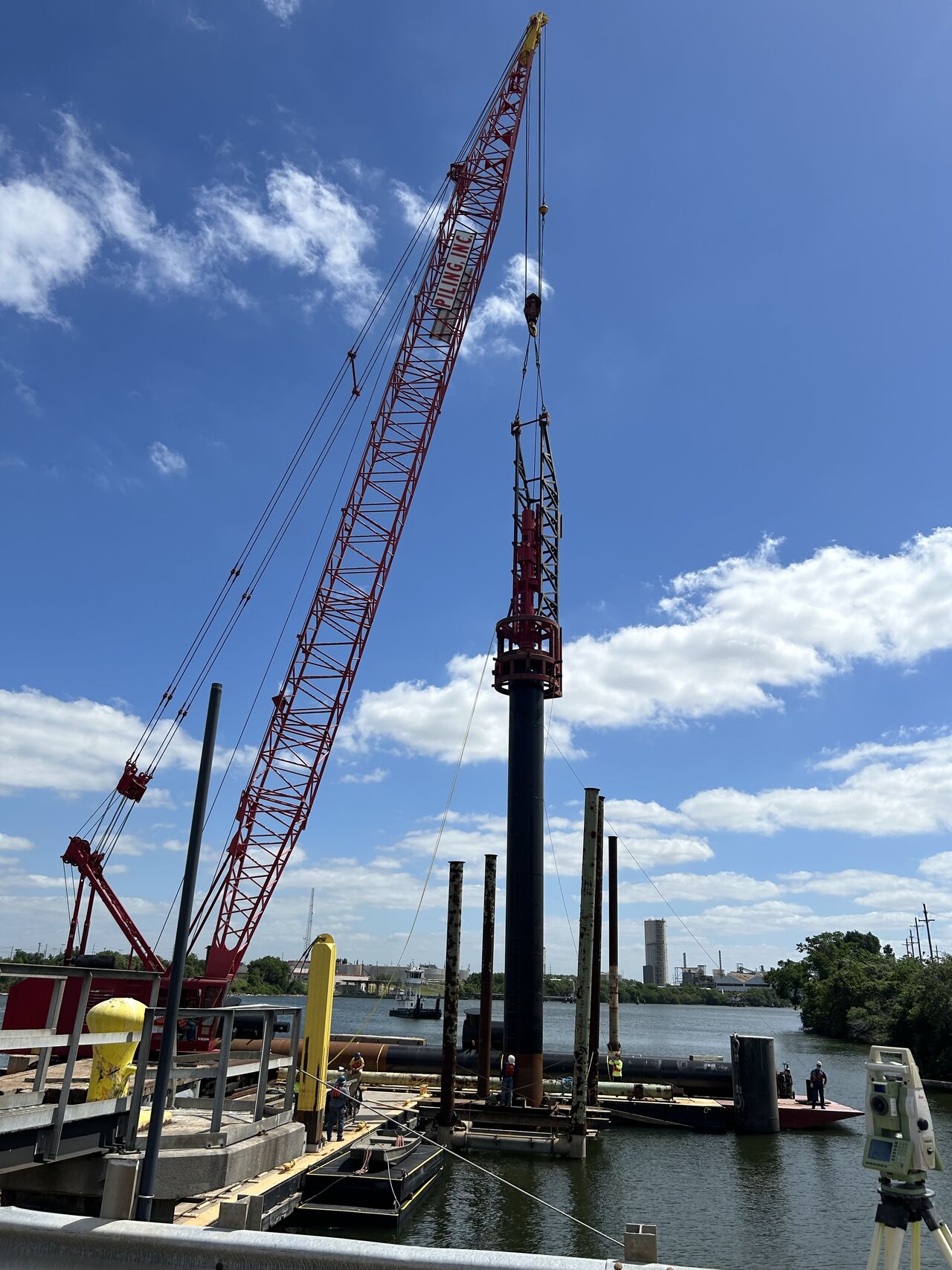
JD Fields Delivers 60” Monopiles to Port of Houston Project, Supporting America’s Busiest Port by Tonnage
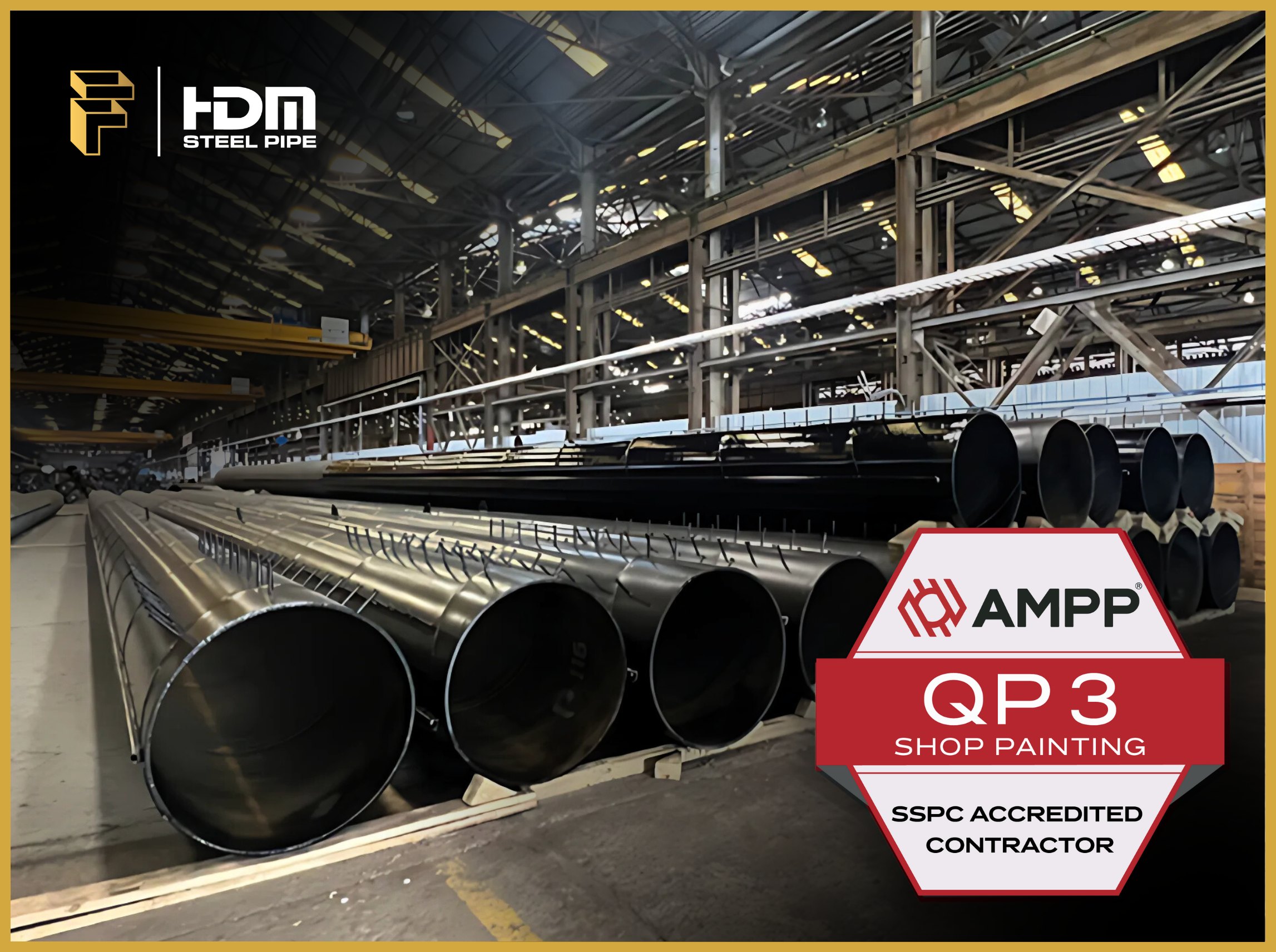
JDF-HDM Spiralweld Pipe Mill has been awarded QP3 Certification by AMPP
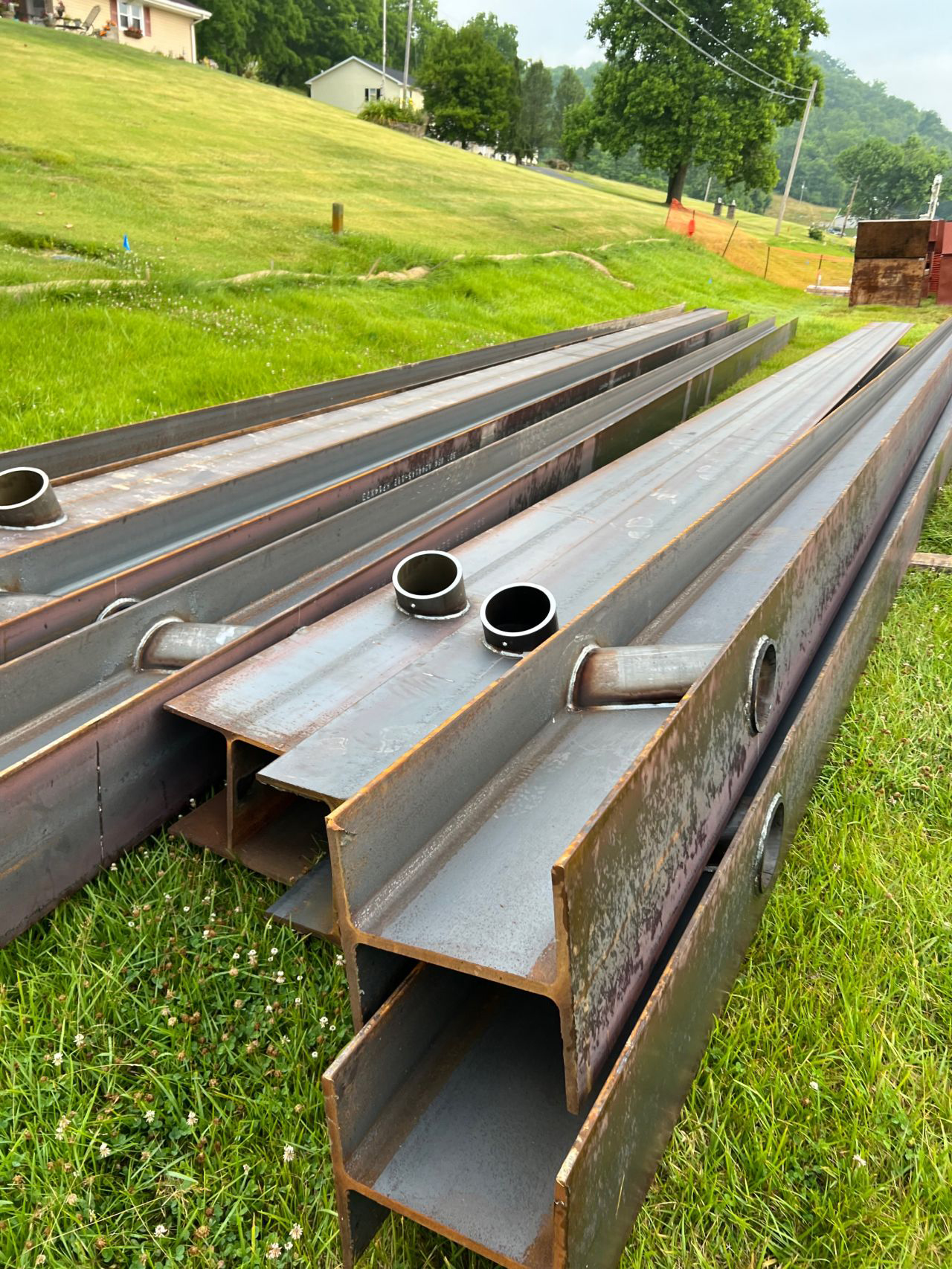
SR-156 Slide Repair - Switzerland County, Indiana
%20(1)_small.jpg)
McCoys Creek Restoration - Jacksonville, Florida
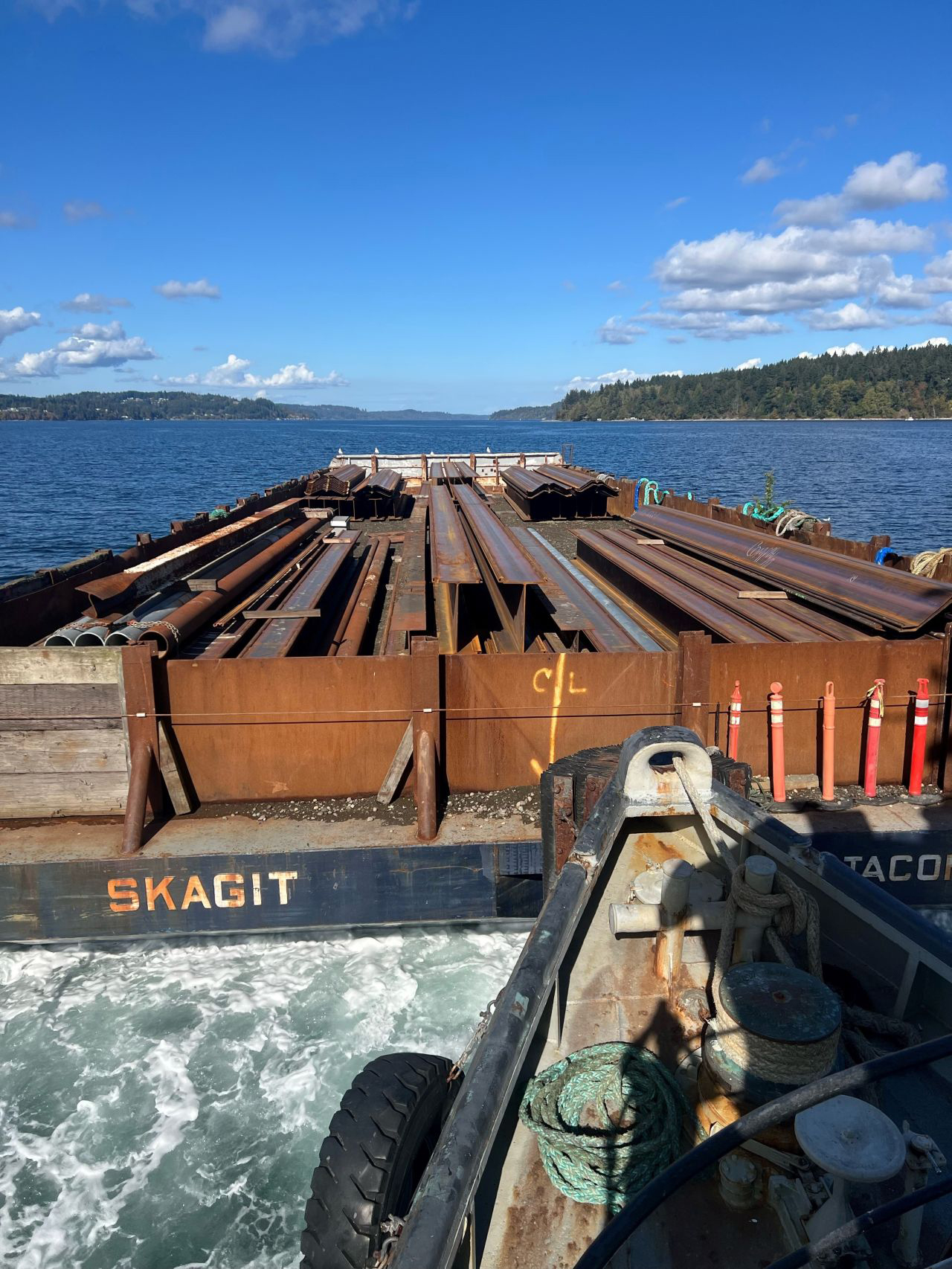
Port of Bellingham Terminals I & J Waterway Cleanup Action - Washington
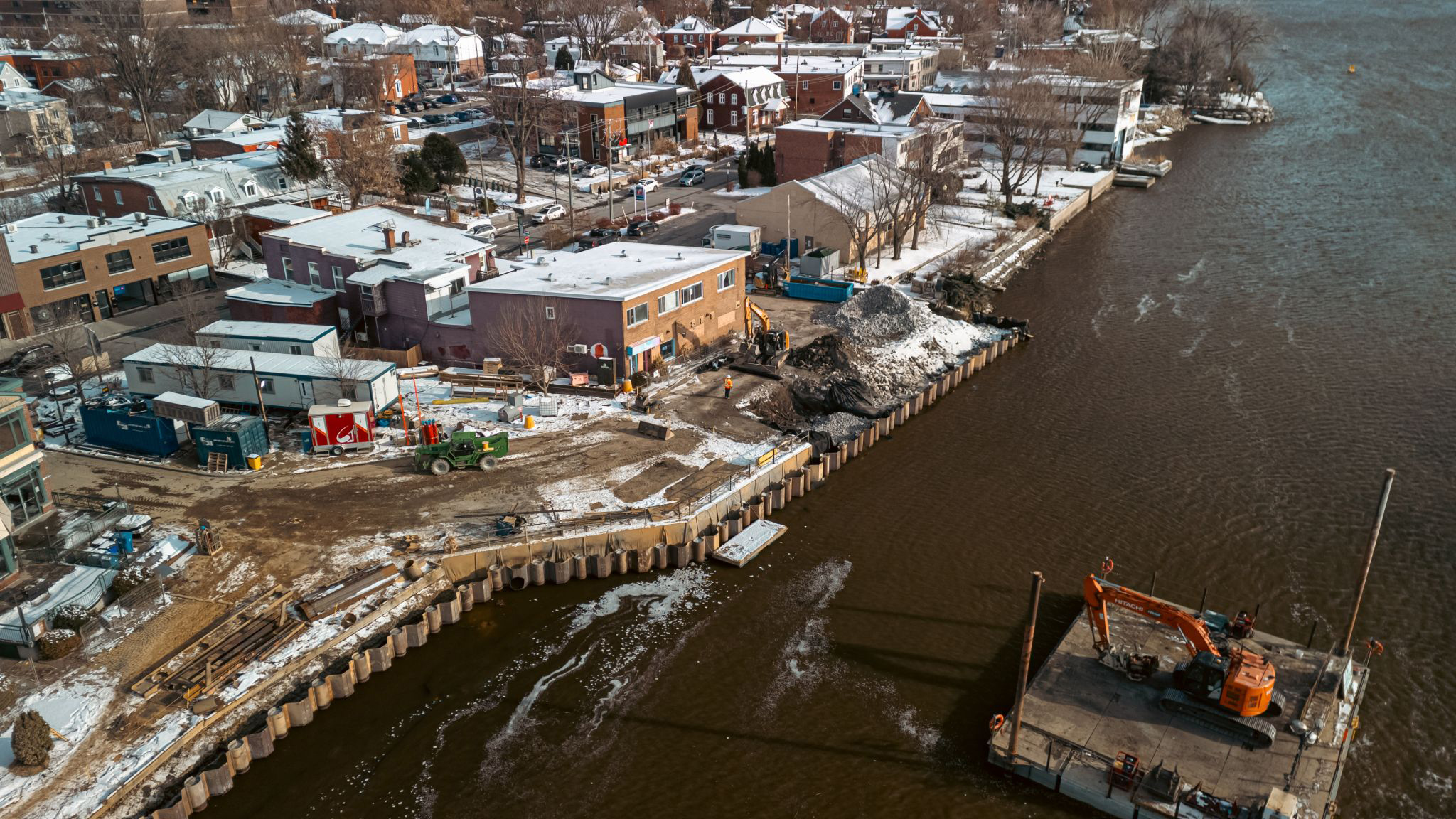
Pipe Z Combi-Wall Solution - Ste-Anne-de-Bellevue, QC
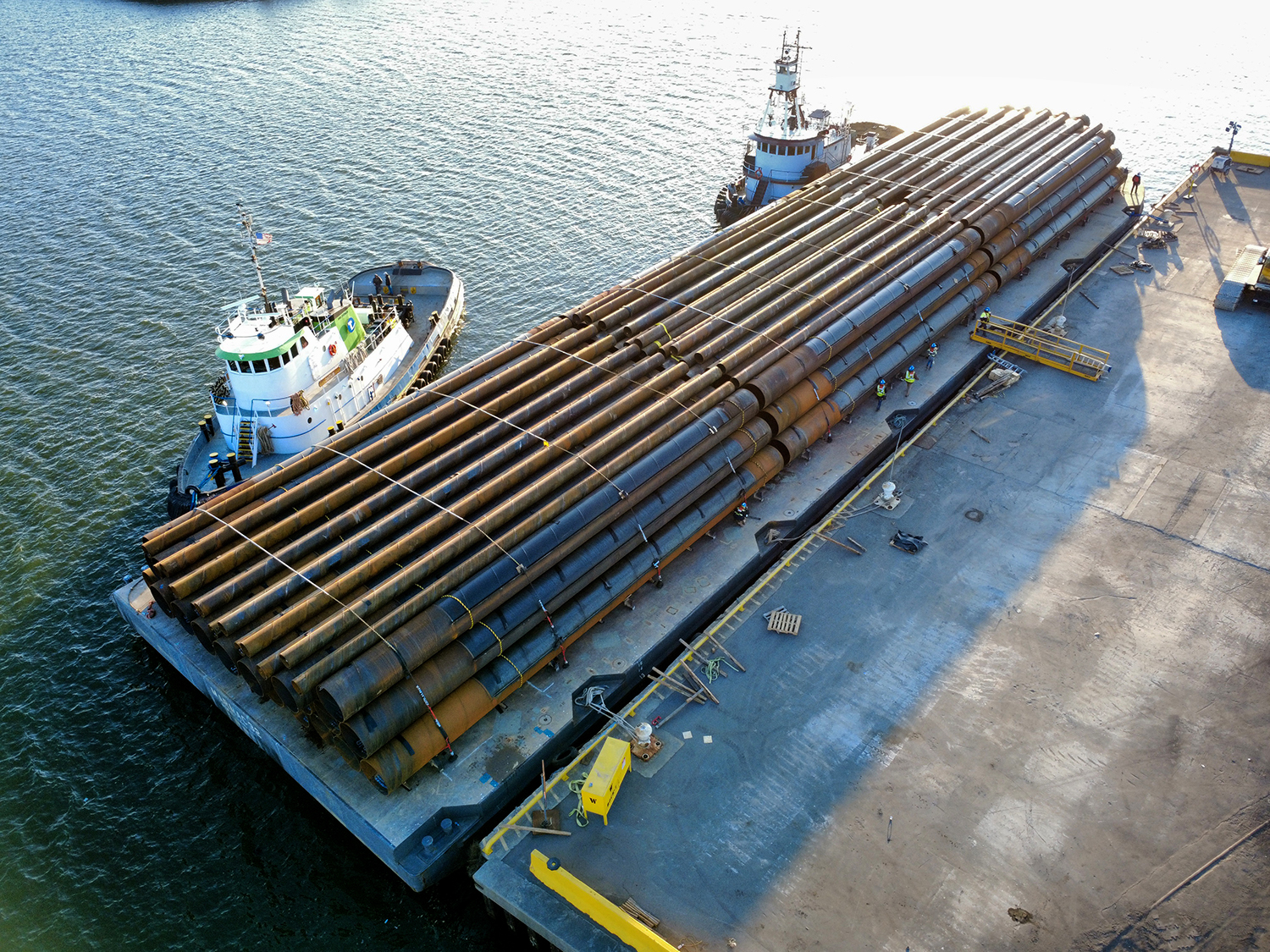
PZC Sheet Piles & Spiralweld Pipe - Port of Tampa Bay
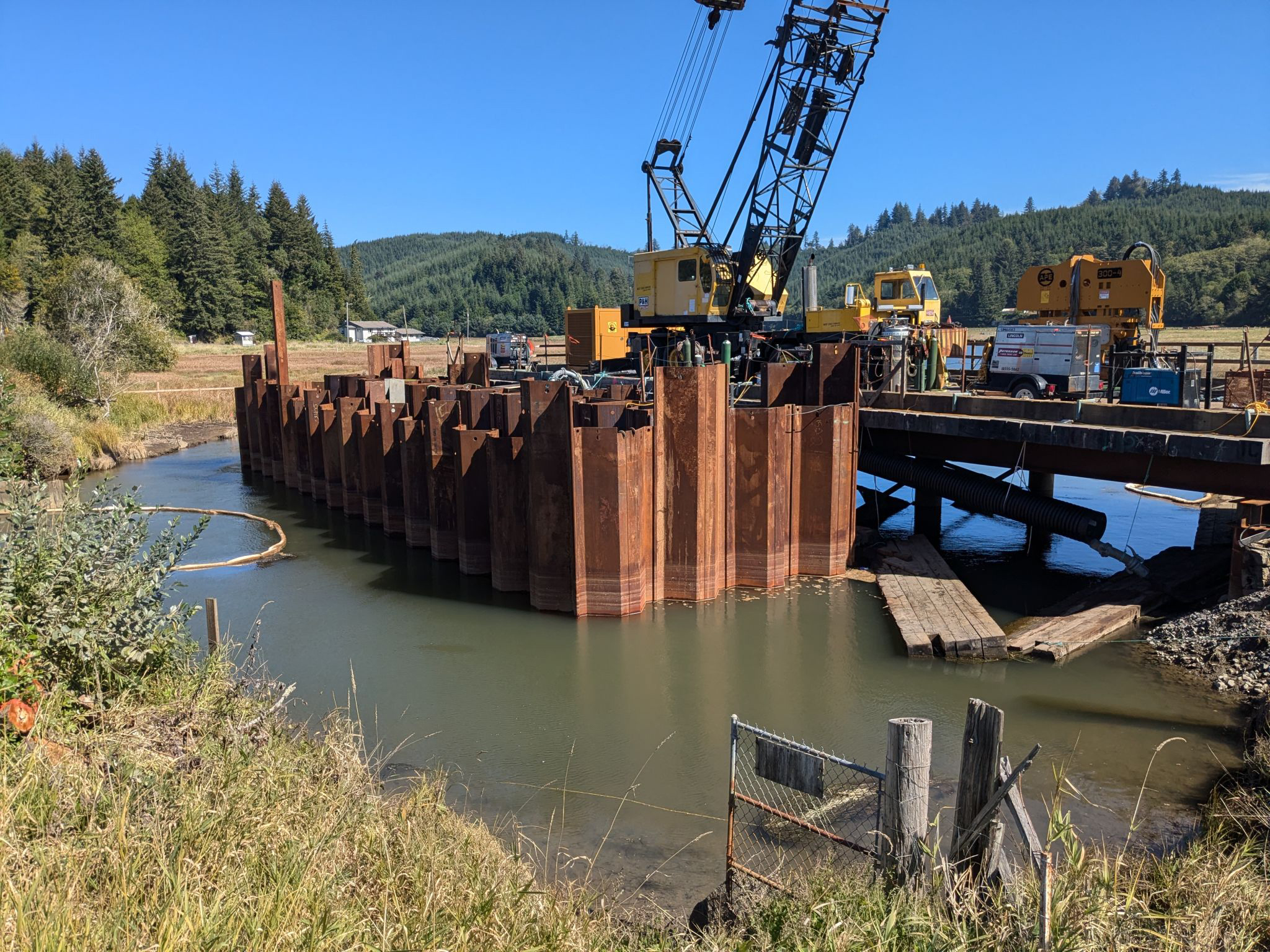
Tide Gate Structure - North Bend Oregon
.png)
Celebrating 40 Years of JD Fields: A Legacy of Excellence and Innovation
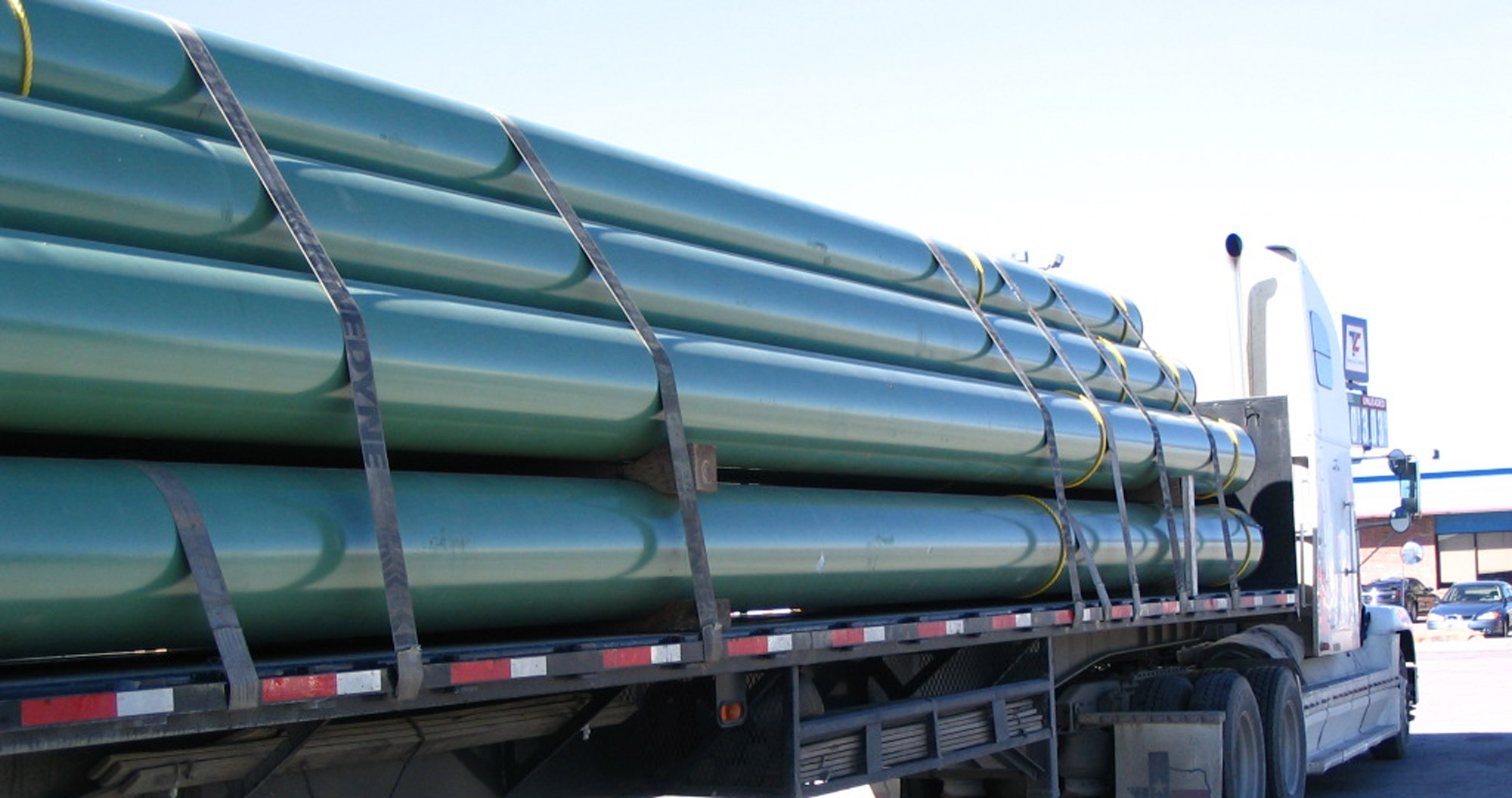
The Amazing Properties of Steel

Going Down? Permanent Sheet Pile Foundations for Basement Structures
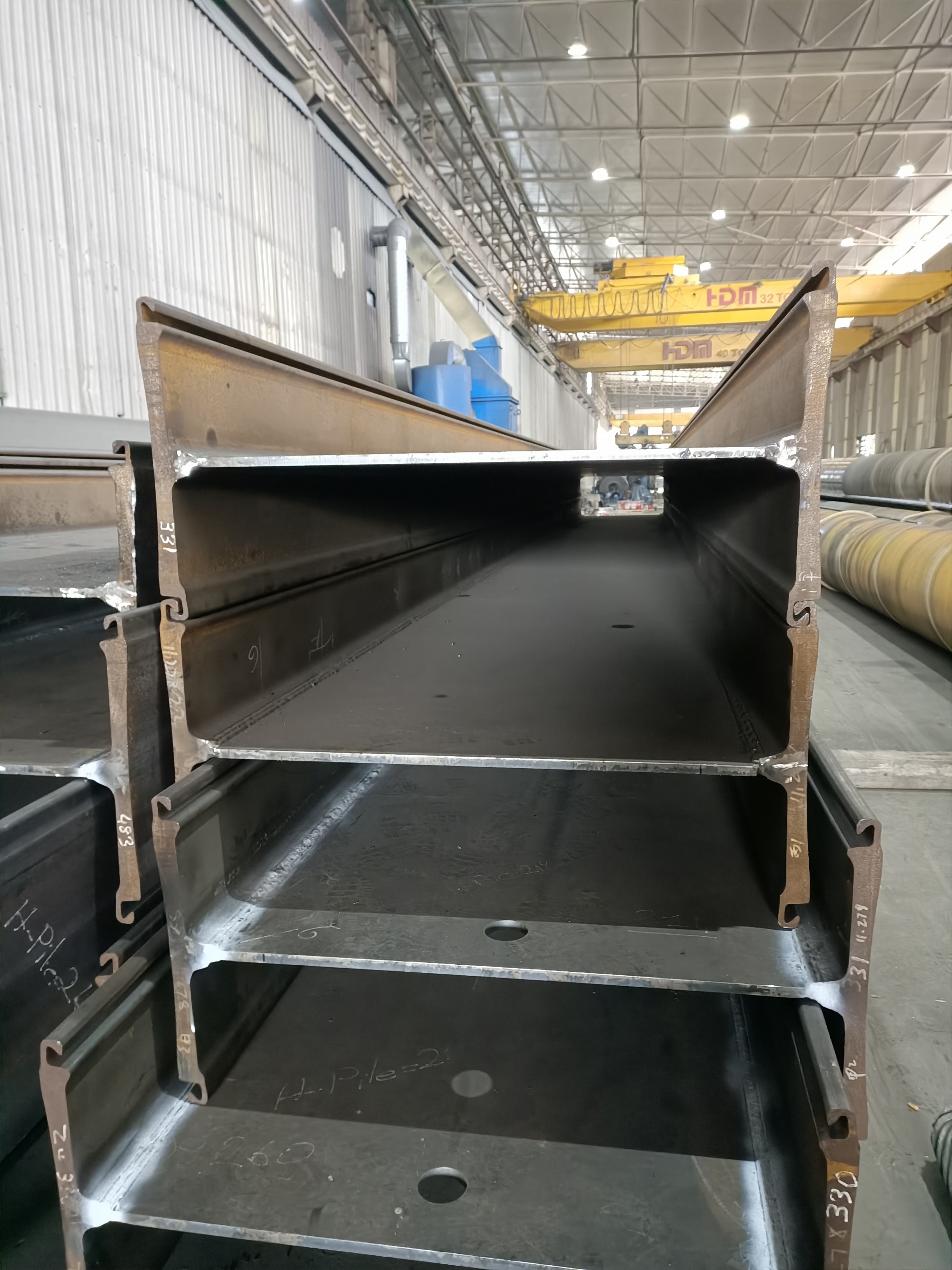
Evolution of Steel Piling Walls for Post Panamax Marine Structures
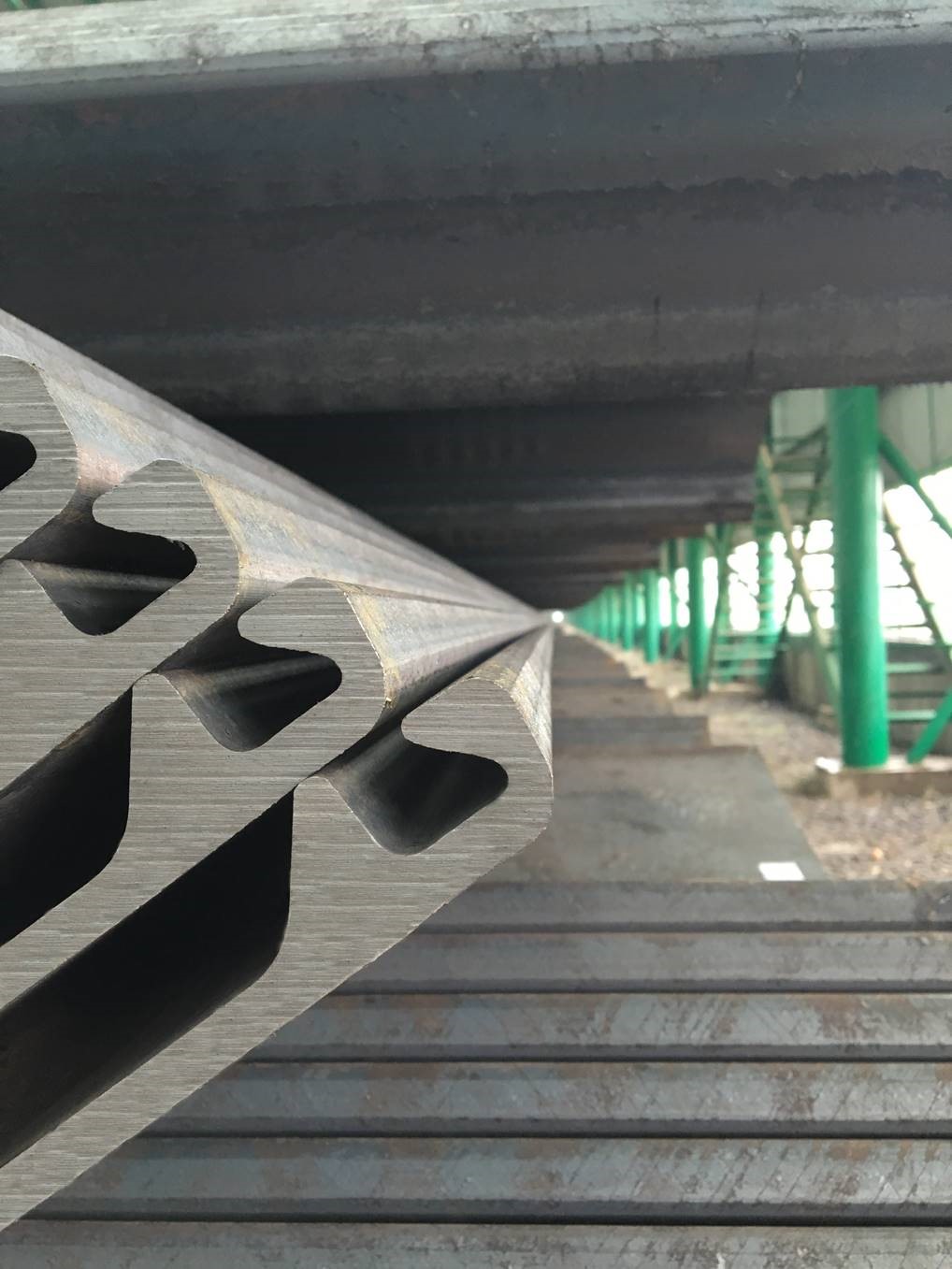
Sheet Piling 101
20-inch Lateral Relocation Pipeline News
Benefits of Line Pipe
2021 IFCEE