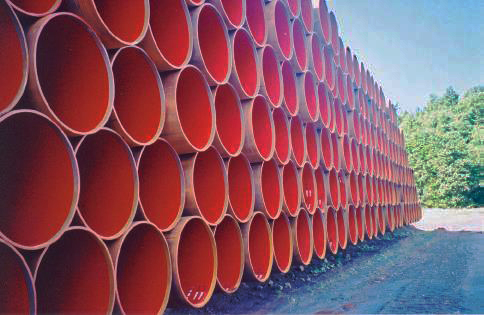

Sheet Piling 101
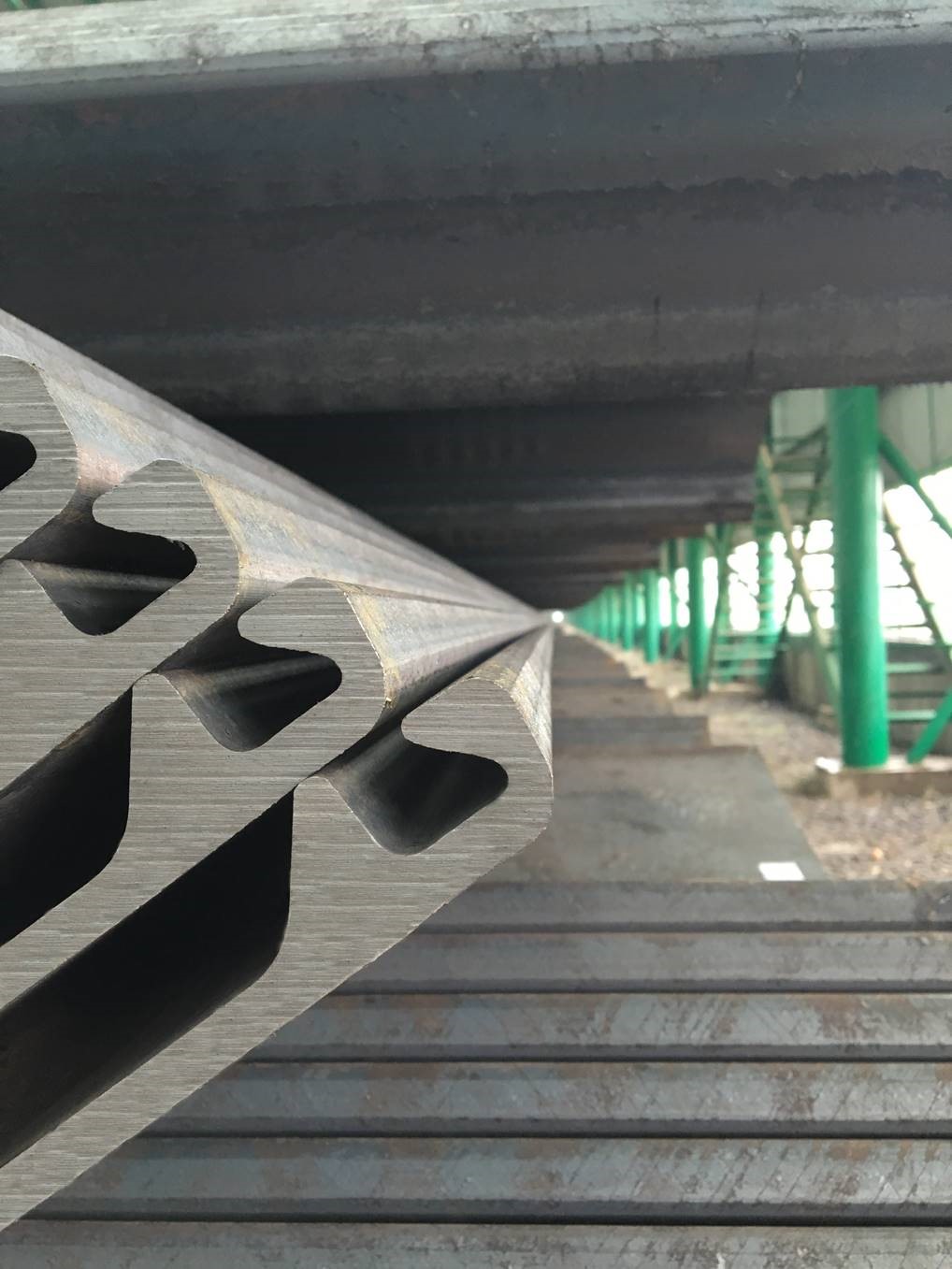
Steel Sheet Piling
Steel sheet piles are one of the most versatile geo-strucutral elements designed for both temporary and permanent applications in heavy highway, transportation and marine foundations. There are two types of steel sheet piling productions; cold formed & hot rolled. Cold formed sheet piles are produced downstream of the steel making process with coils that have already been melted and rolled. The metallurgy, grade and mechanical properties are inherent to the coil material. The coil is shipped to the cold former where they unravel and trim/prep the edges of the coil for production. Once trimmed, the coils are run through the cold forming line with a series of 12 or more forming passes. With each successive pass, the flat coil is bent/formed to take shape to eventually take on the finished "U" or "Z" section. Cold form sheets come in a variety of light to intermediate ranges with wide, efficient strength to weight characteristics. Because they are produced from a flat coil with uniform thickness, the web and flange and entire section are uniform. The hook & grip interlock connection is a two-point contact, for watertight and or multiple braced conditions, these characteristics could be a design limitation.
Hot Rolled Sheet Piles
Hot rolled sheet piles are produced by the same steel mills that melt and cast coils and long steel products. They are produced from continuous cast beam blanks or billets. The raw stock is run through a reheat furnace to get the temperature up over 1600 degrees so they can be rolled. Then sent to the rolling mill where they will pass through the roughing, intermediate and finishing stands making 3-4 passes at each stand. This custom roll pass design allows for differential thicknesses, especially in the shoulder transitions. this is added steel that helps the section resist buckling from bidirectional/transverse loads that are not always calculated. But it is the finishing stand where the most difficult part of the sheet pile takes shape; the interlock. The intricate geometry and locking characteristics of a hot rolled interlock and dimensional tolerances are so tight, the window for error is so small that if not executed, the rolling could be a total loss. This is why less than a dozen steel mills in the entire world attempt to hot roll sheet piles. Hot rolled sheets come in "U" & "Z" and flat shapes, but flats are designed for cellular membrane/tension applications.
Hot rolled sheet piles go back over 120 years getting their start with "U" and flat sections, but in more recent years the efficiency of the "Z" section has taken over and is dominating the global market. This is again a function of strength to weight efficiencies, where the "Z" series tend to have deeper, wider, lighter sections compared to "U" piles. In addition, the interlock location is a design consideration given the "U" shape interlocks are located in the neutral axis which has potential for rotation, negatively affecting wall stability. "Z" pile interlocks are located on the outer edges of the section, which not only results in higher modulus and inertial properties, but the interlock rotation issue does not apply.
MORE POSTS
JD Fields & Company Navigates Strong U.S. Steel Market with Flexible Domestic and International Sourcing Strategy
JD Fields Makes a Strong Showing at the FTBA Construction Symposium
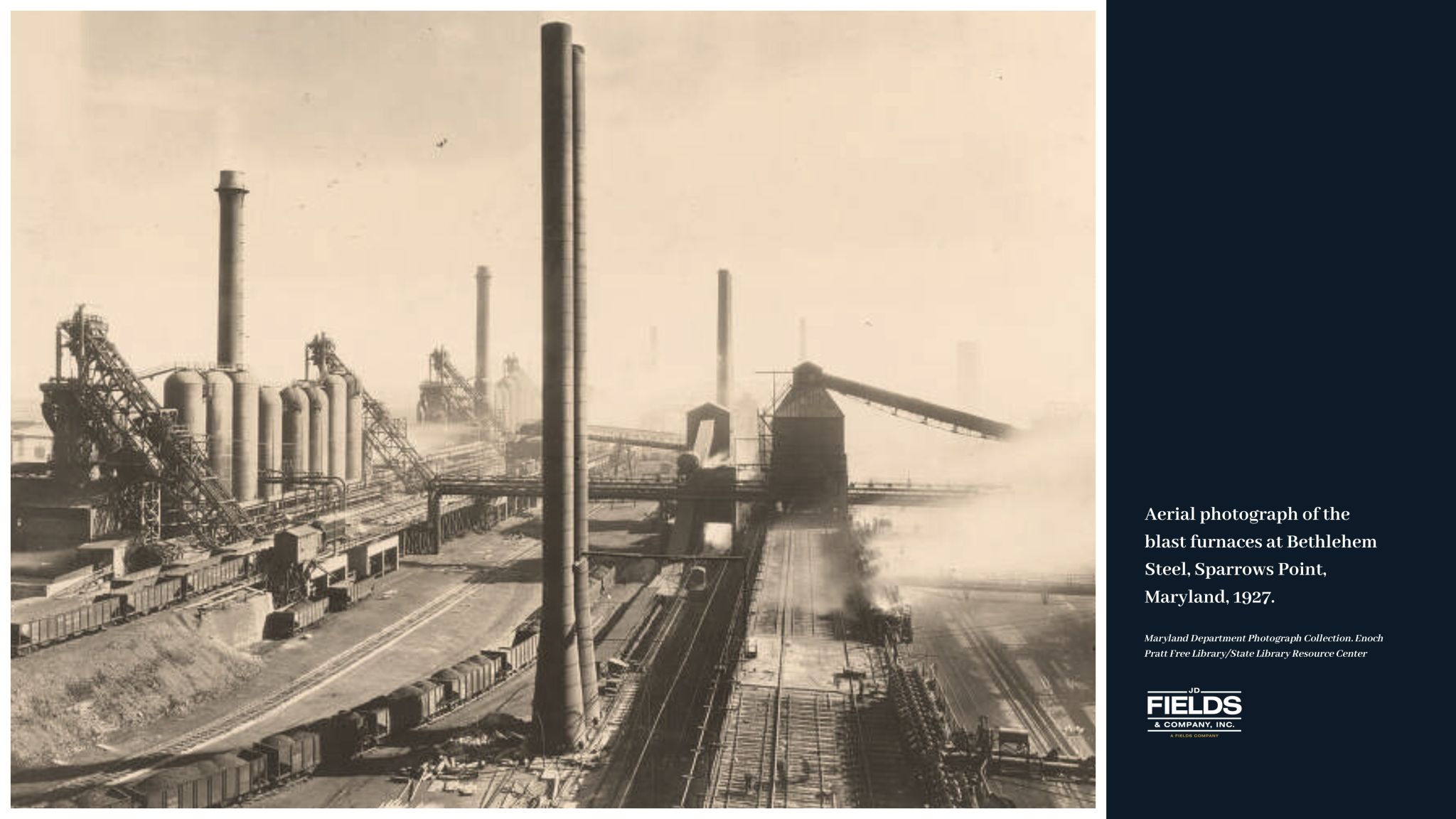
Honoring the Steel Legacy of Sparrows Point, Maryland

JD Fields Canada at the 99th Annual Ontario Road Builders' Association Convention
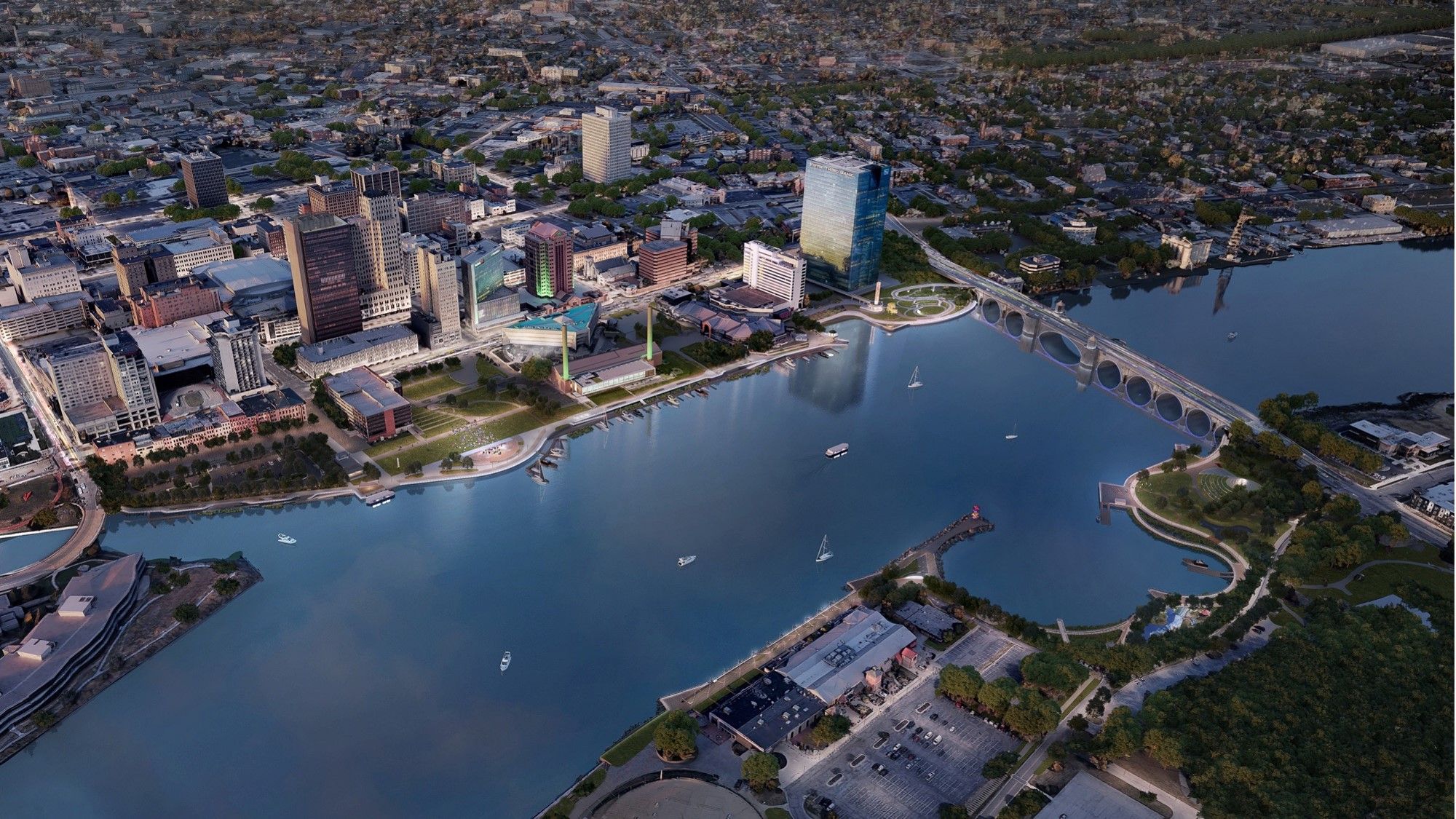
Engineering the Glass City Riverwalk: JD Fields' Seawall Solution in Toledo, Ohio
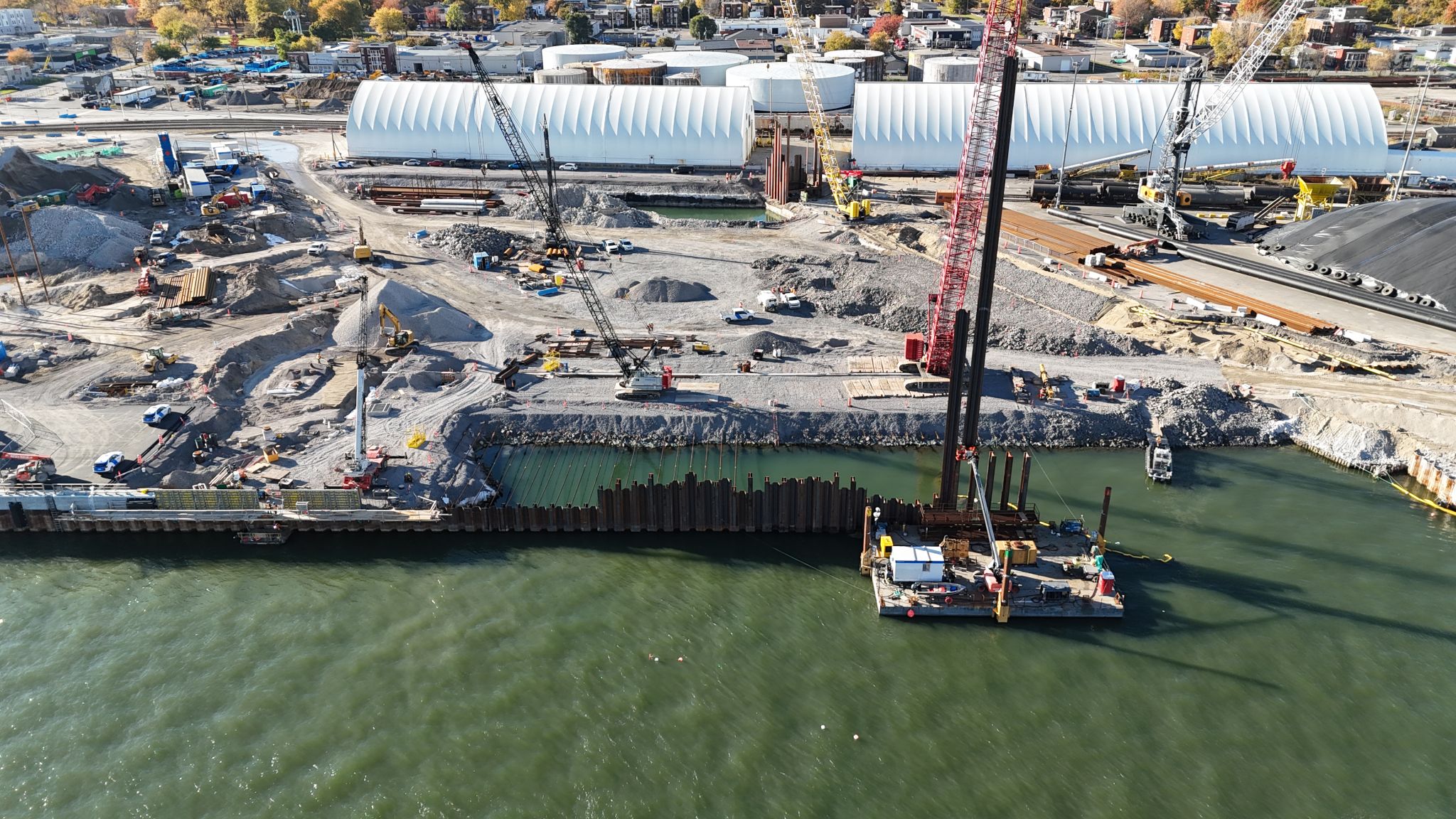
4,000 Tons Strong: JD Fields Canada Supplies Steel for Port of Trois-Rivières
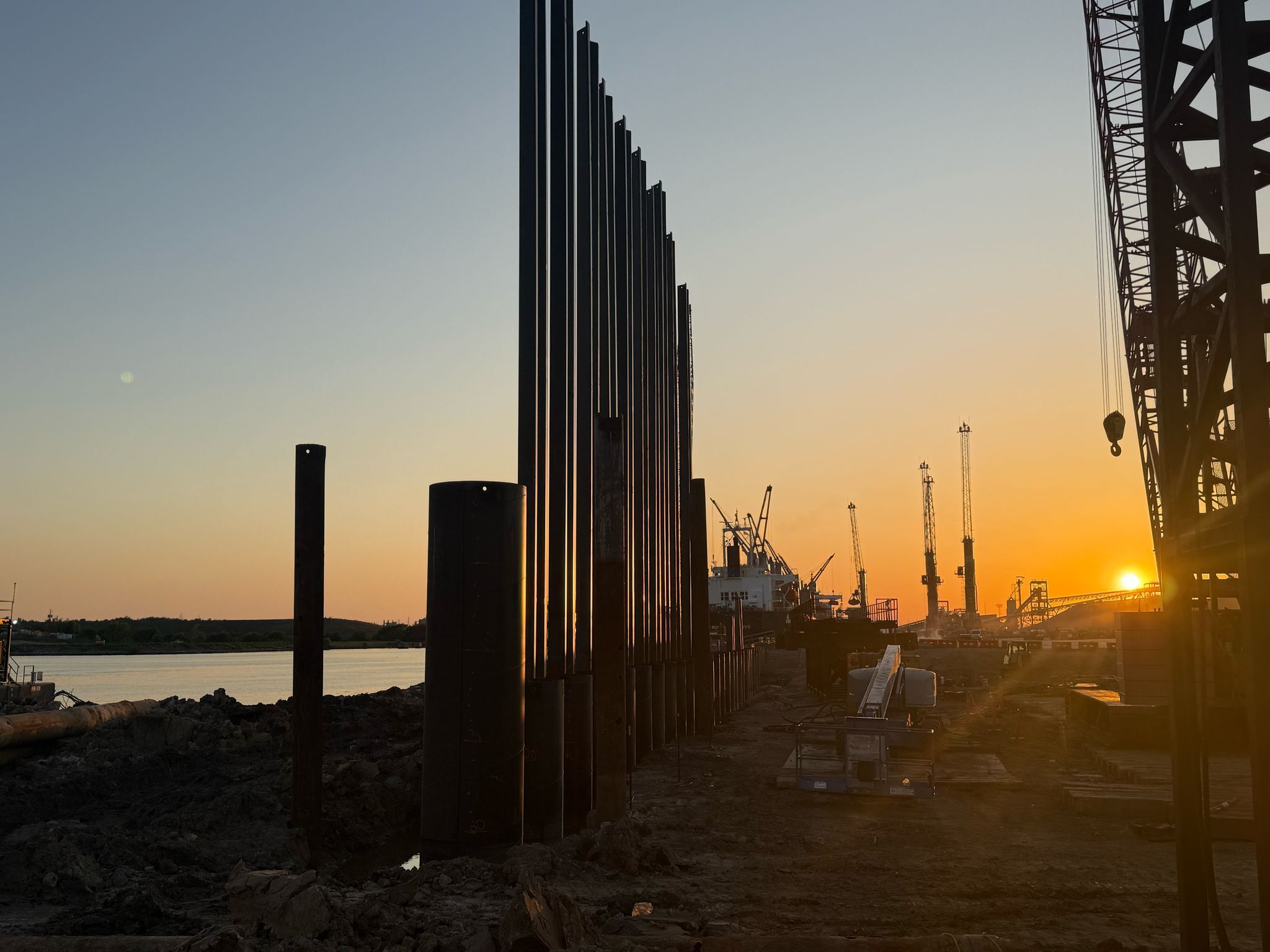
Sunset at JDF-HDM Spiralweld: 250,000 Square Feet of Pipe Production on the Texas Gulf

Rio Hondo III Noise Barrier: Strengthening Puerto Rico's Transportation Corridors

60-Inch Monopiles Delivered to Port of Houston: Supporting America's Busiest Port
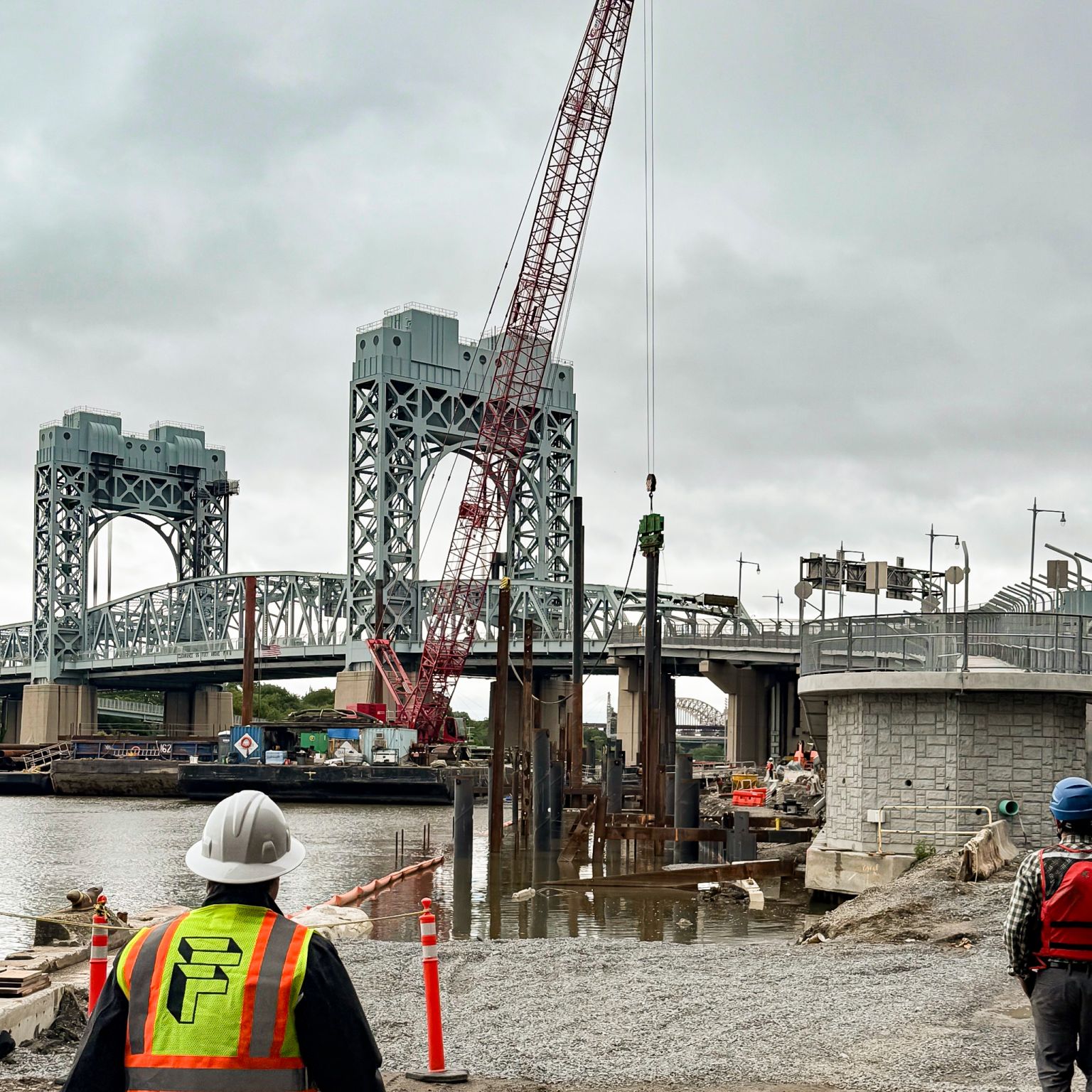
Manhattan Greenway Harlem River: Reinforcing NYC's Waterfront Legacy

Panamerican Pier Project: Strengthening Puerto Rico's Maritime Gateway
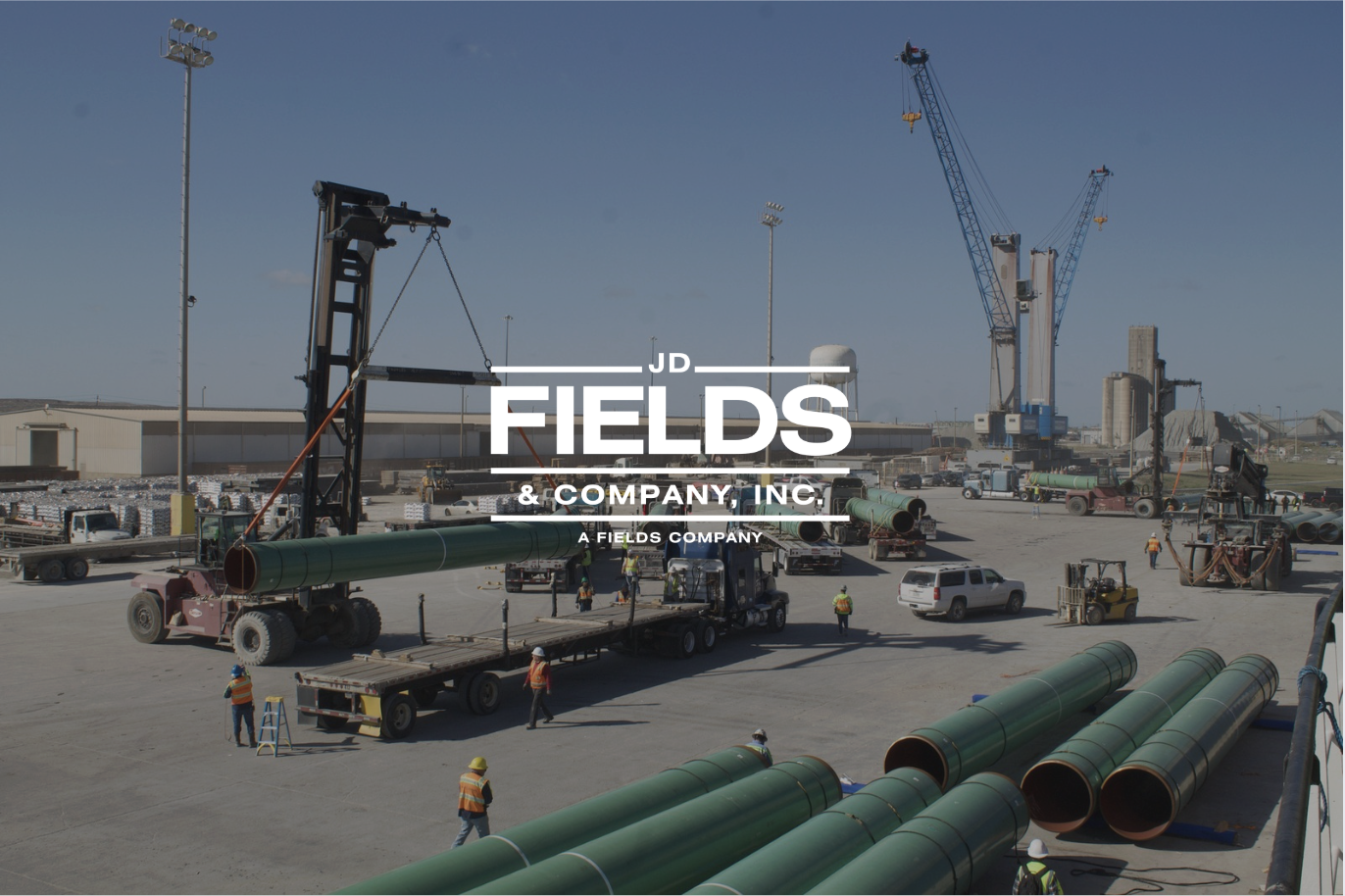
11,350 Tons of Heavy Wall Pipe Delivered for South Texas LNG Infrastructure
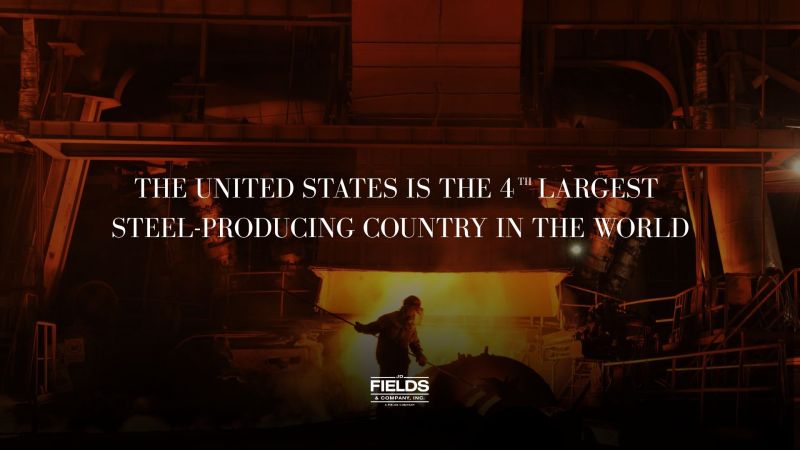
U.S. Steel Leadership: Clean Production Meets Global Infrastructure Demand
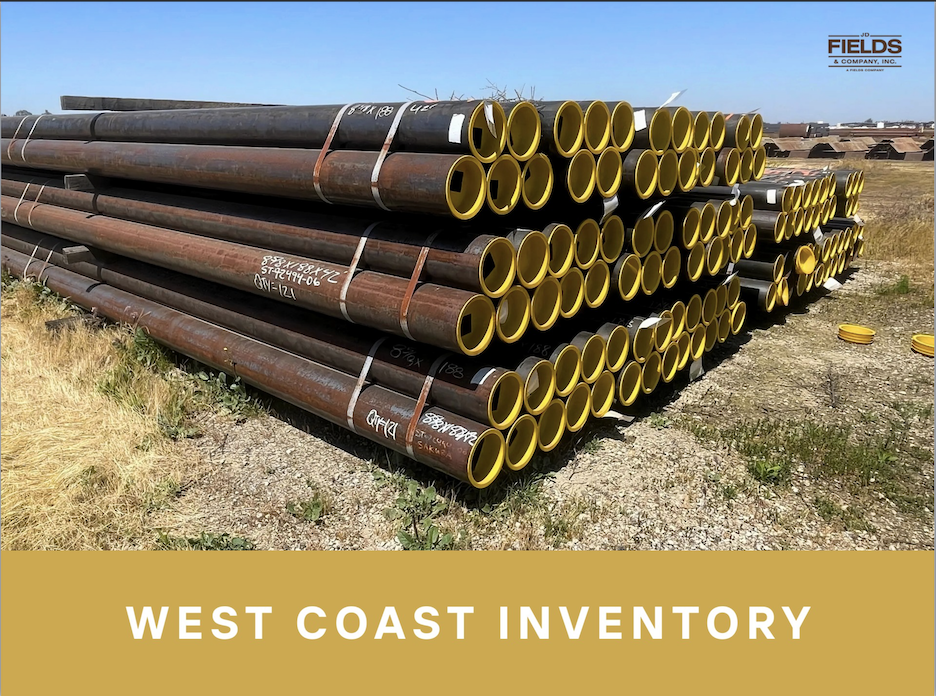
West Coast Yard Inventory: Steel Solutions for Infrastructure and Energy Projects

Deep Foundations Institute SuperPile Conference: Showcasing Steel Solutions in Cleveland
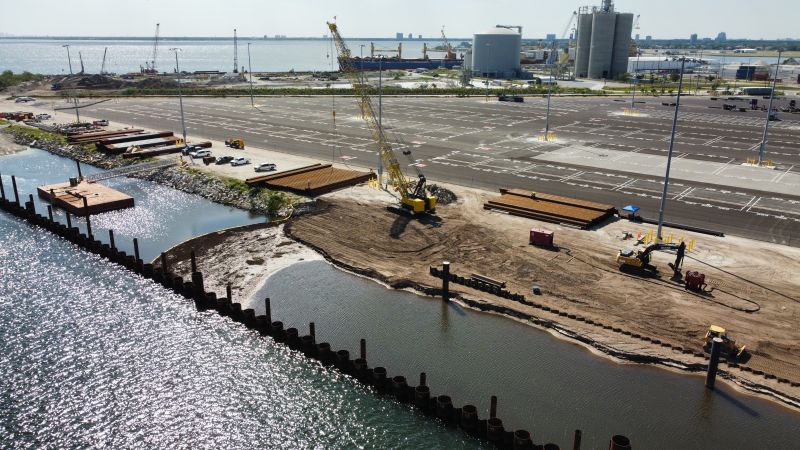
Port Tampa Berth 214: American-Made Steel Secures Marine Infrastructure Future
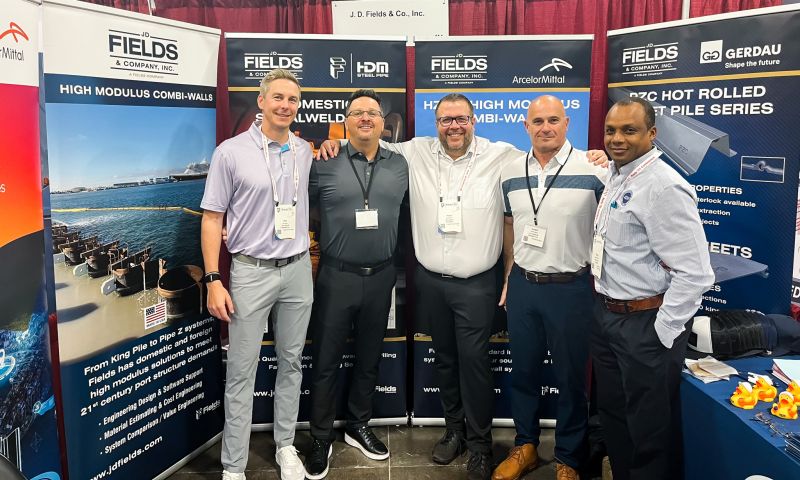
Connecting with Marine Infrastructure Leaders at ASCE PORTS Conference
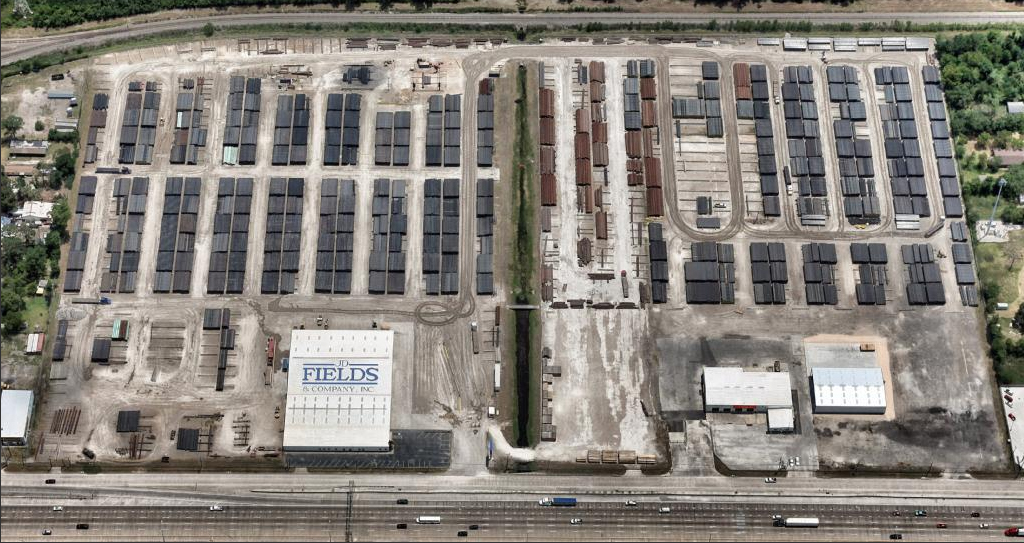
Strategic Inventory Solutions: Bonded Facility Near Port of Houston
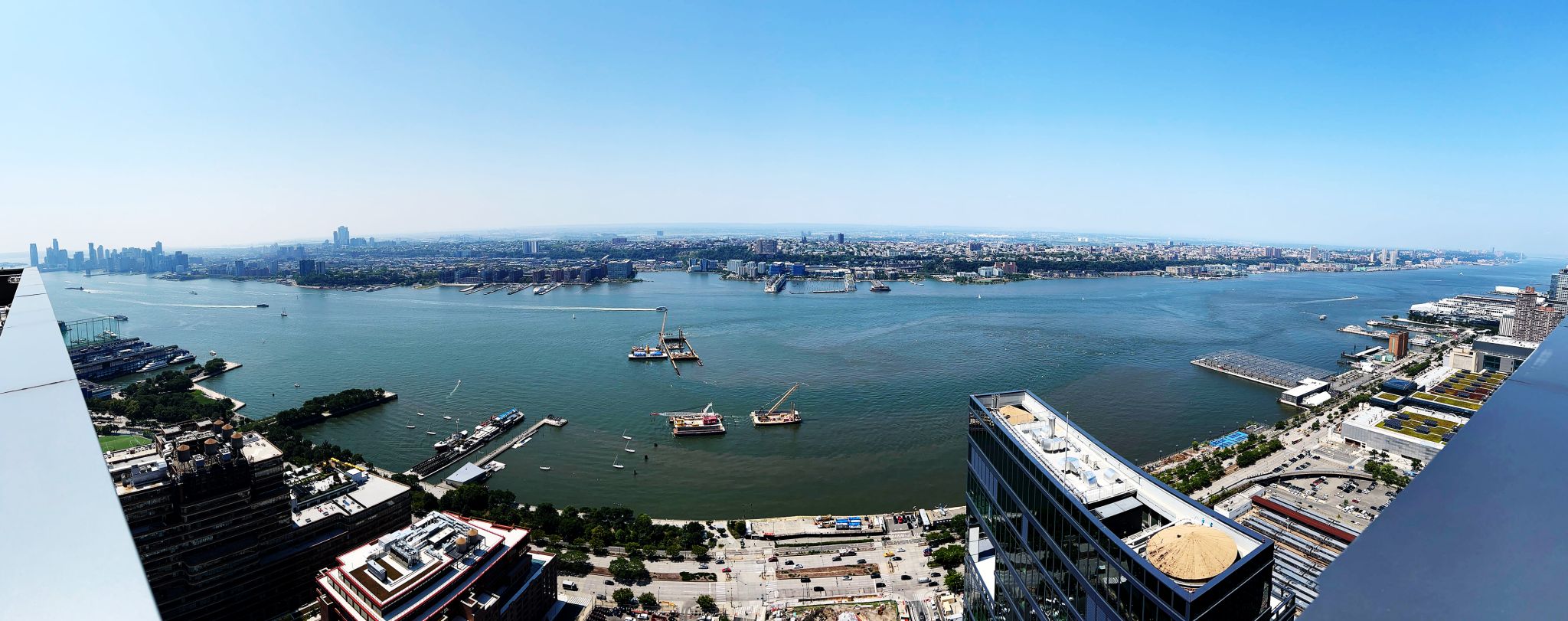
Hudson River Ground Stabilization: Building the Foundation for Gateway's Future

Halifax Engineers Gather for Marine Geostructures Seminar in Nova Scotia
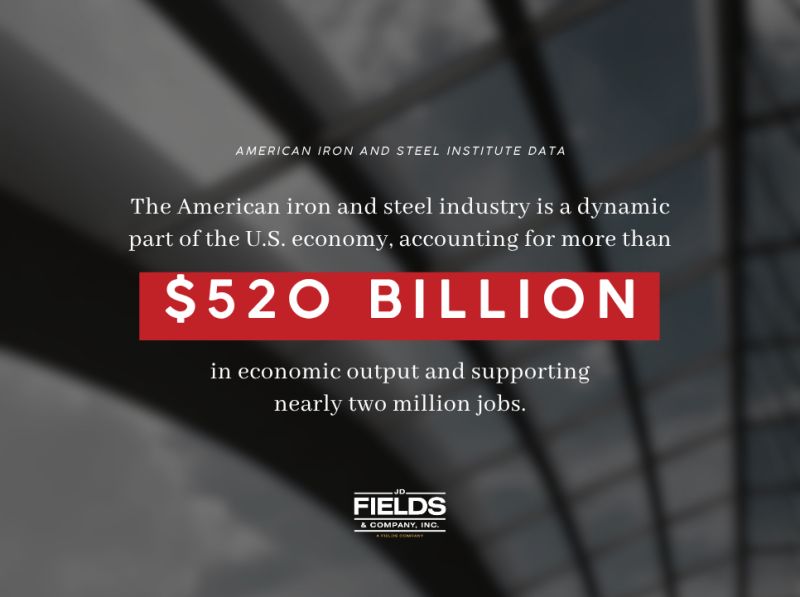
Steel Industry's $520 Billion Impact: Navigating Market Trends with Confidence
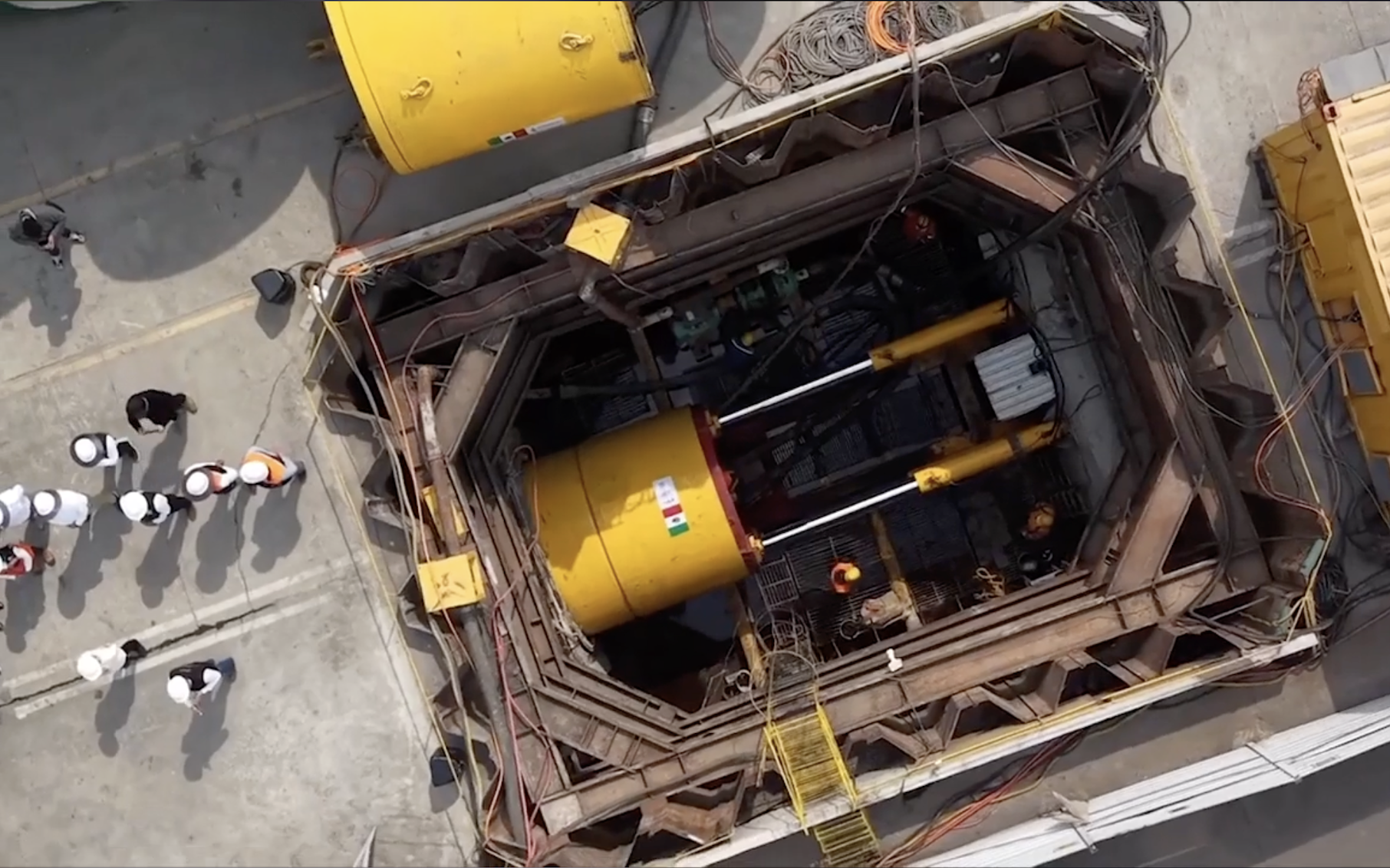
AZ Sheet Piling Supports Critical Water Management Project in Chalco, Mexico
Sponsoring and Exhibiting at 2025 CIAPR ExpoConvención in Puerto Rico
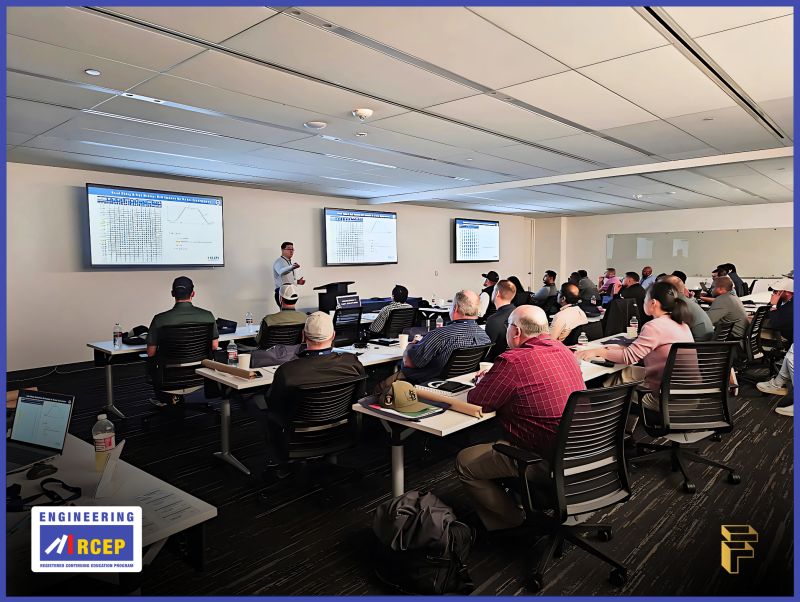
Certified Continuing Education: Learn and Earn with Steel Geostructure Experts

JD Fields & Company 2025 Sales Conference: Strategic Alignment in the Heart of Nashville

JD Fields Welcomes Andrea Bolletino and Jeremy Davidson to the Team
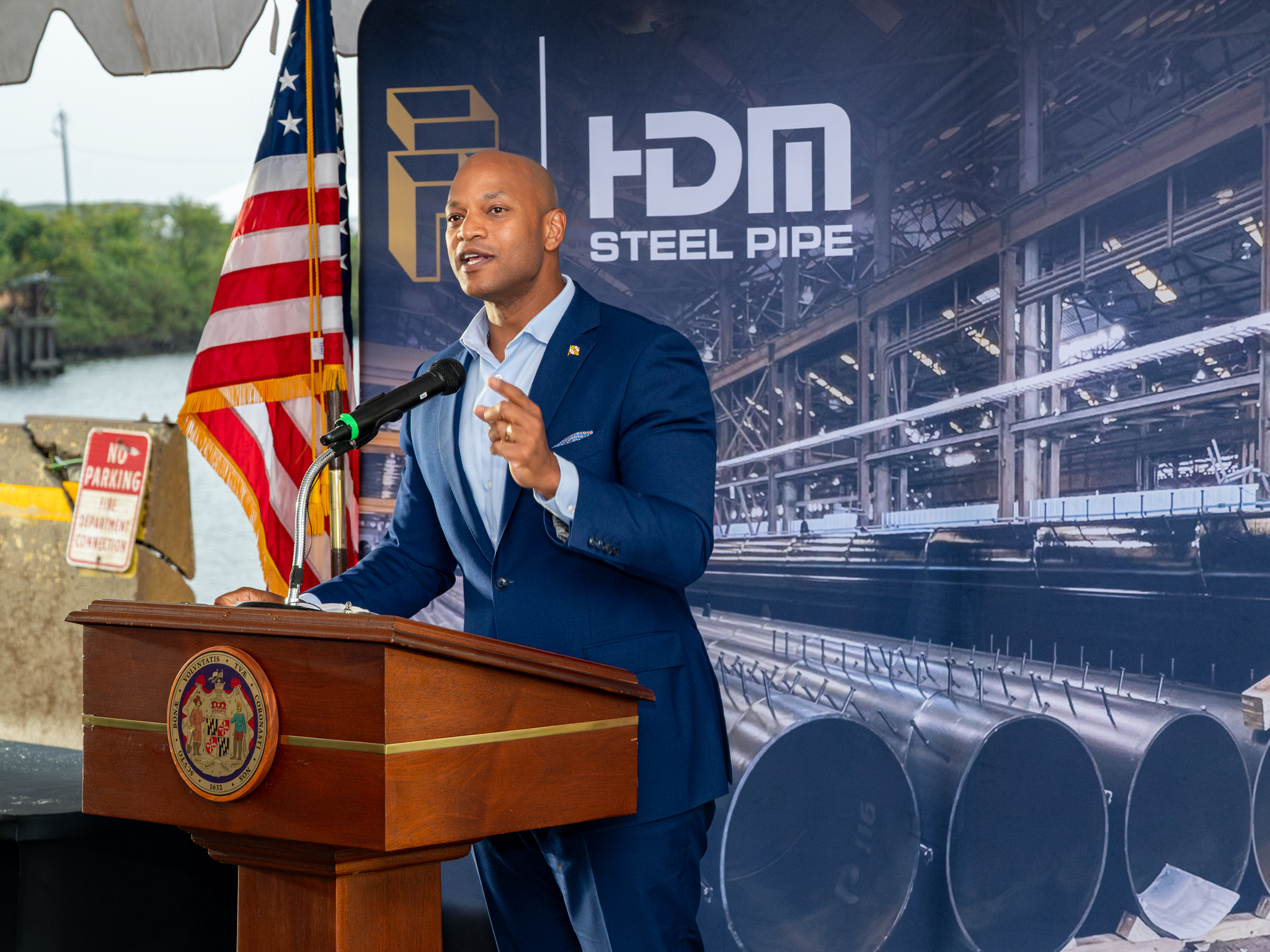
National Media Spotlights New Sparrows Point Steel Fabrication Facility
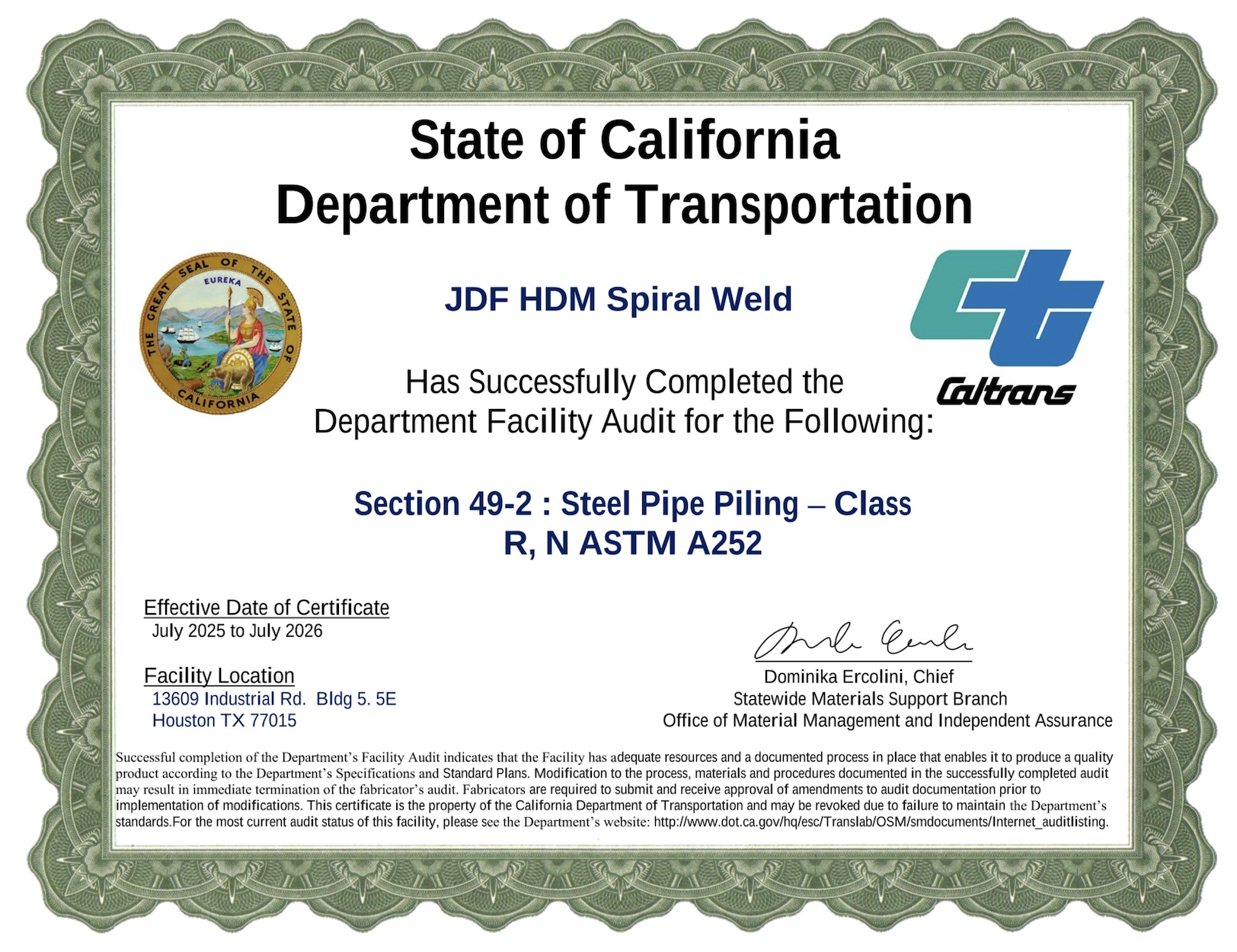
JD Fields & Company Caltrans Certification Unlocks California Market for Pipe Foundations
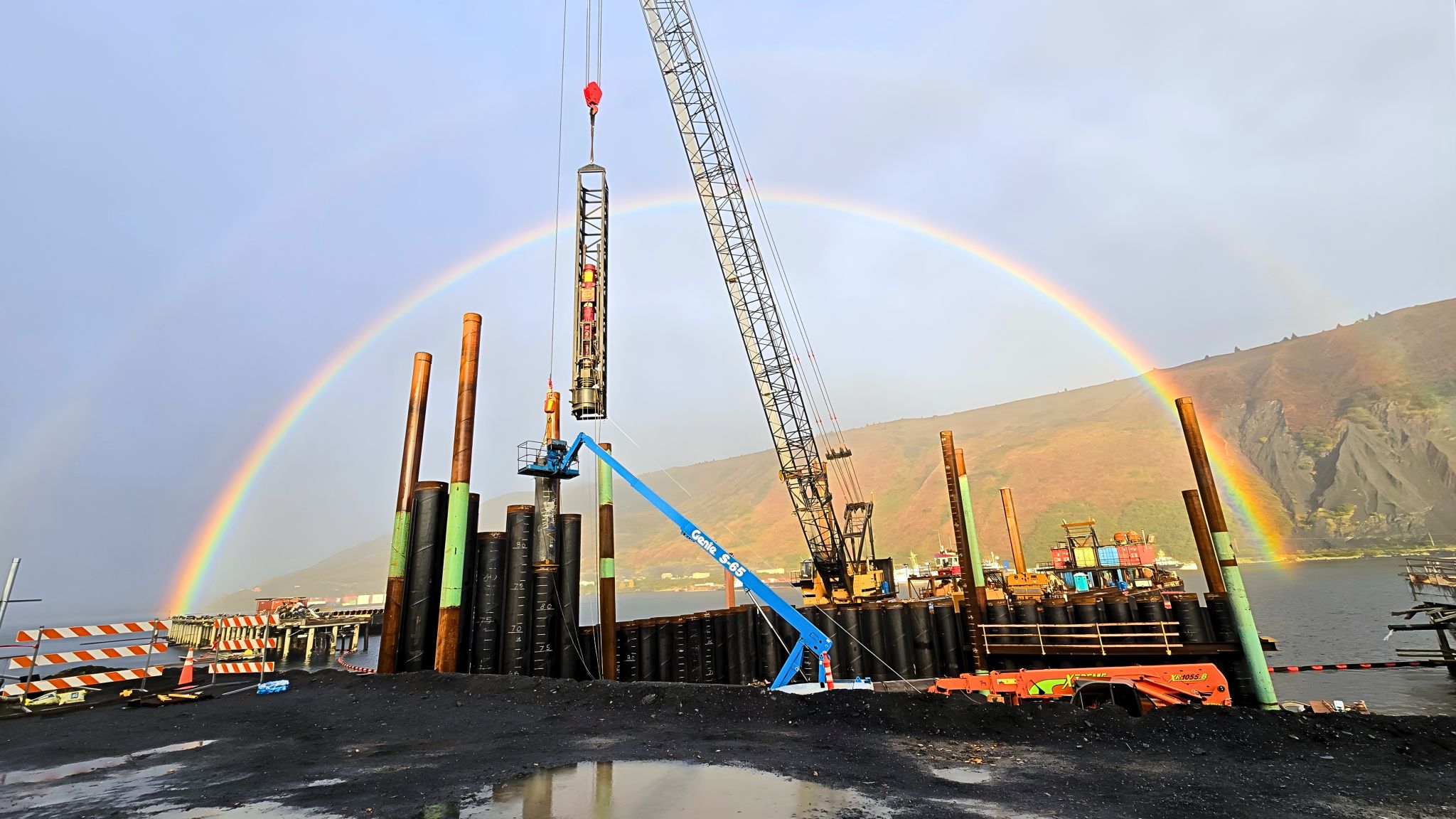
Alaska Marine Project: Steel Piles Meet Nature's Double Rainbow
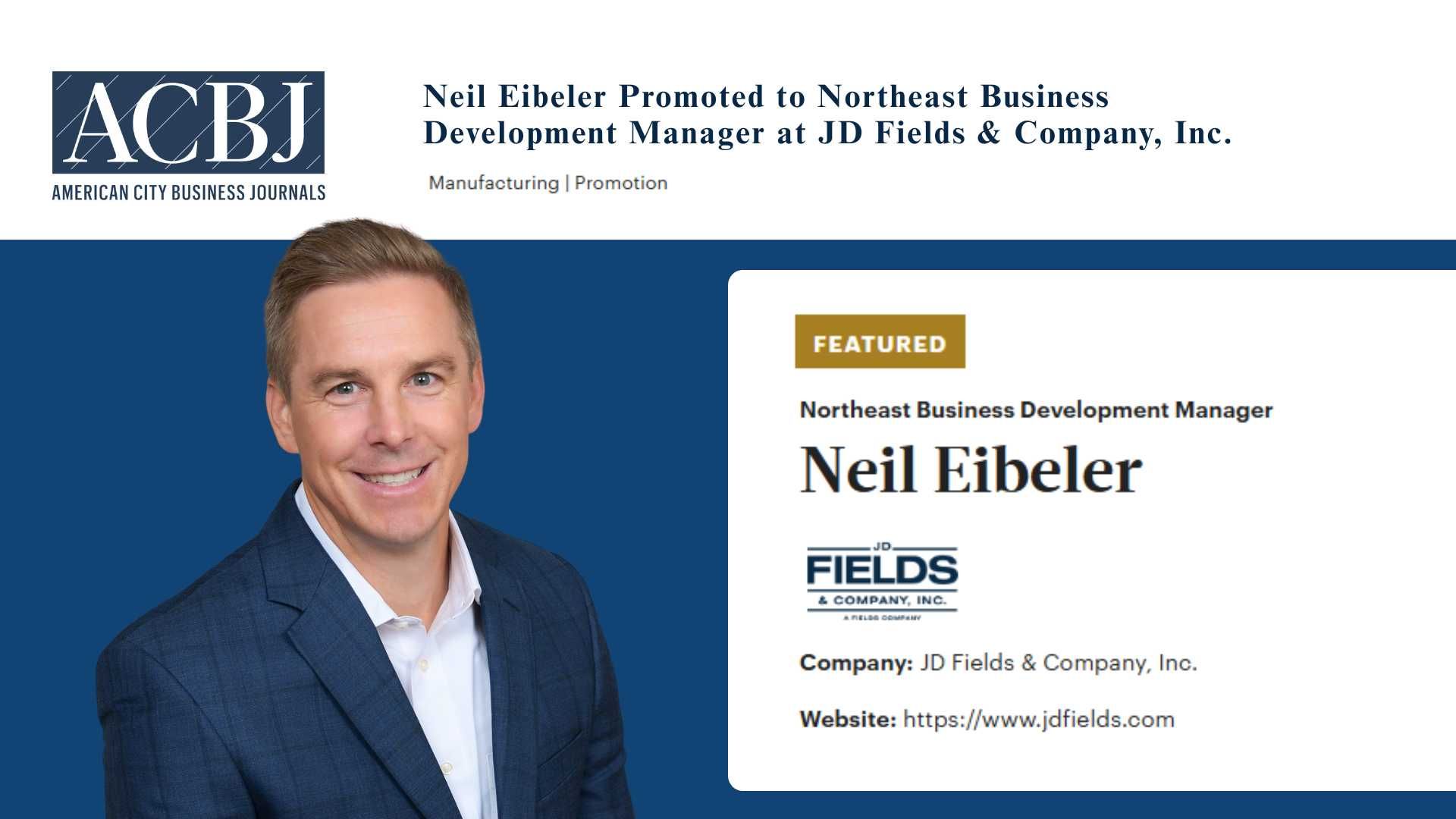
Neil Eibeler Takes on Northeast Business Development Role

Three Days in Nashville: DFI's 50th Annual Deep Foundations Conference
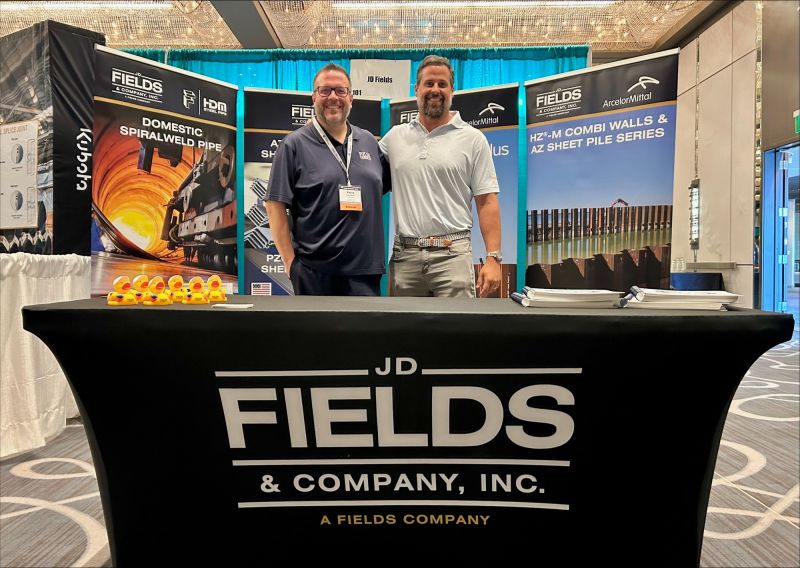
JD Fields & Company Attends ASCE Geo-Extreme Conference in Long Beach
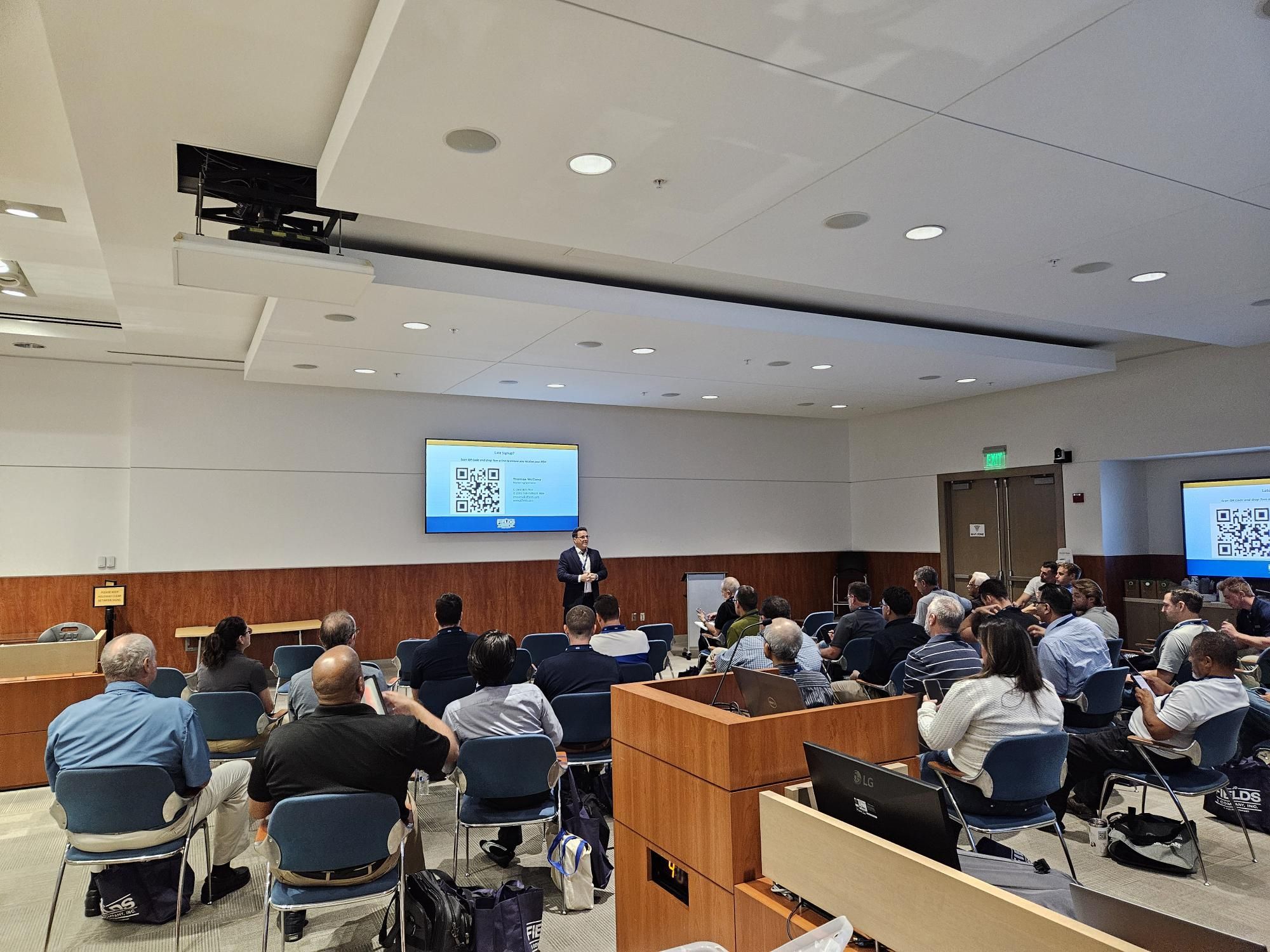
Innovation in Port Structures: Third Annual Tampa Seminar Wrap-Up

Reviving the Legacy of Steel in Sparrows Point, Maryland
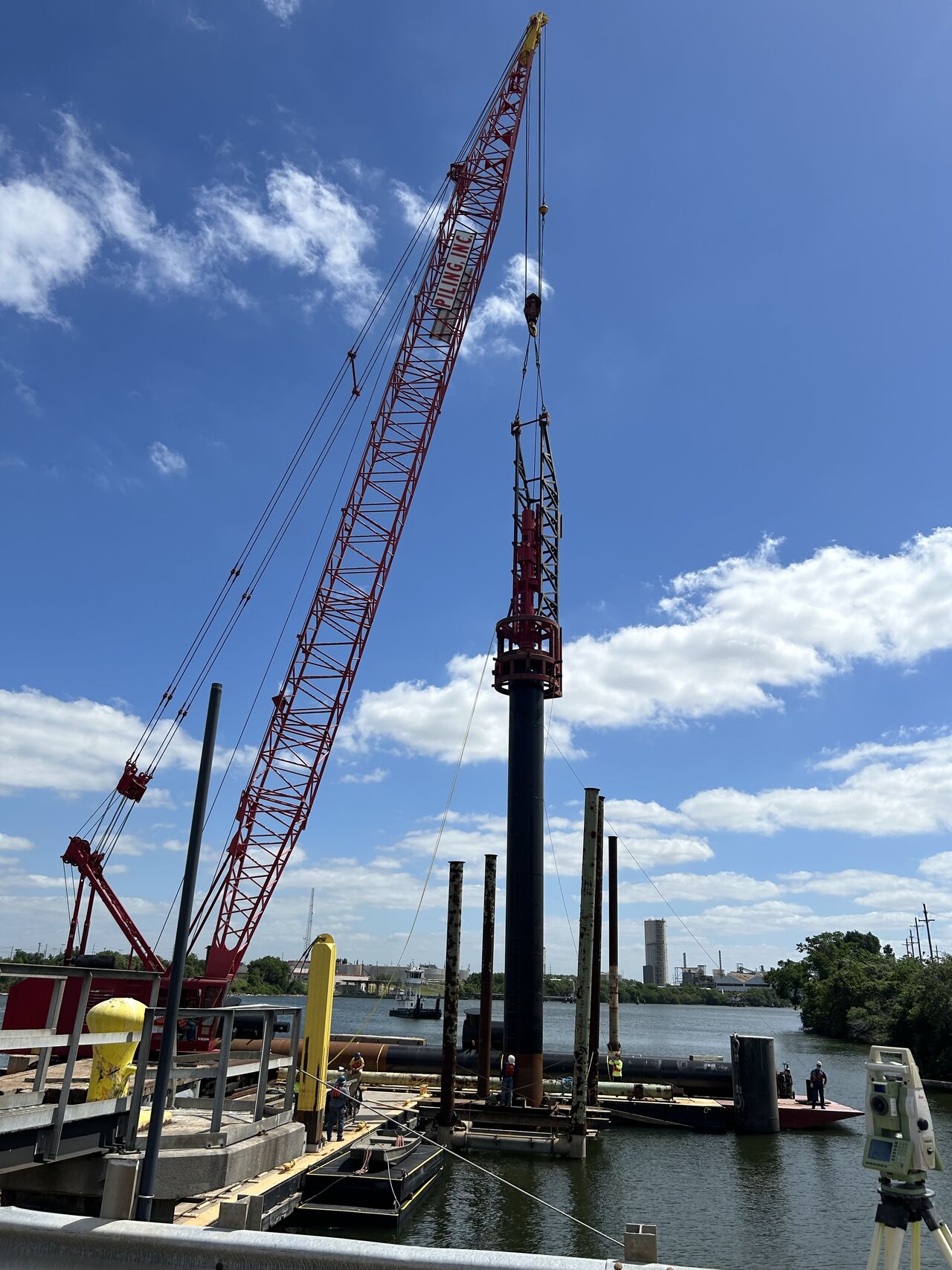
JD Fields Delivers 60” Monopiles to Port of Houston Project, Supporting America’s Busiest Port by Tonnage
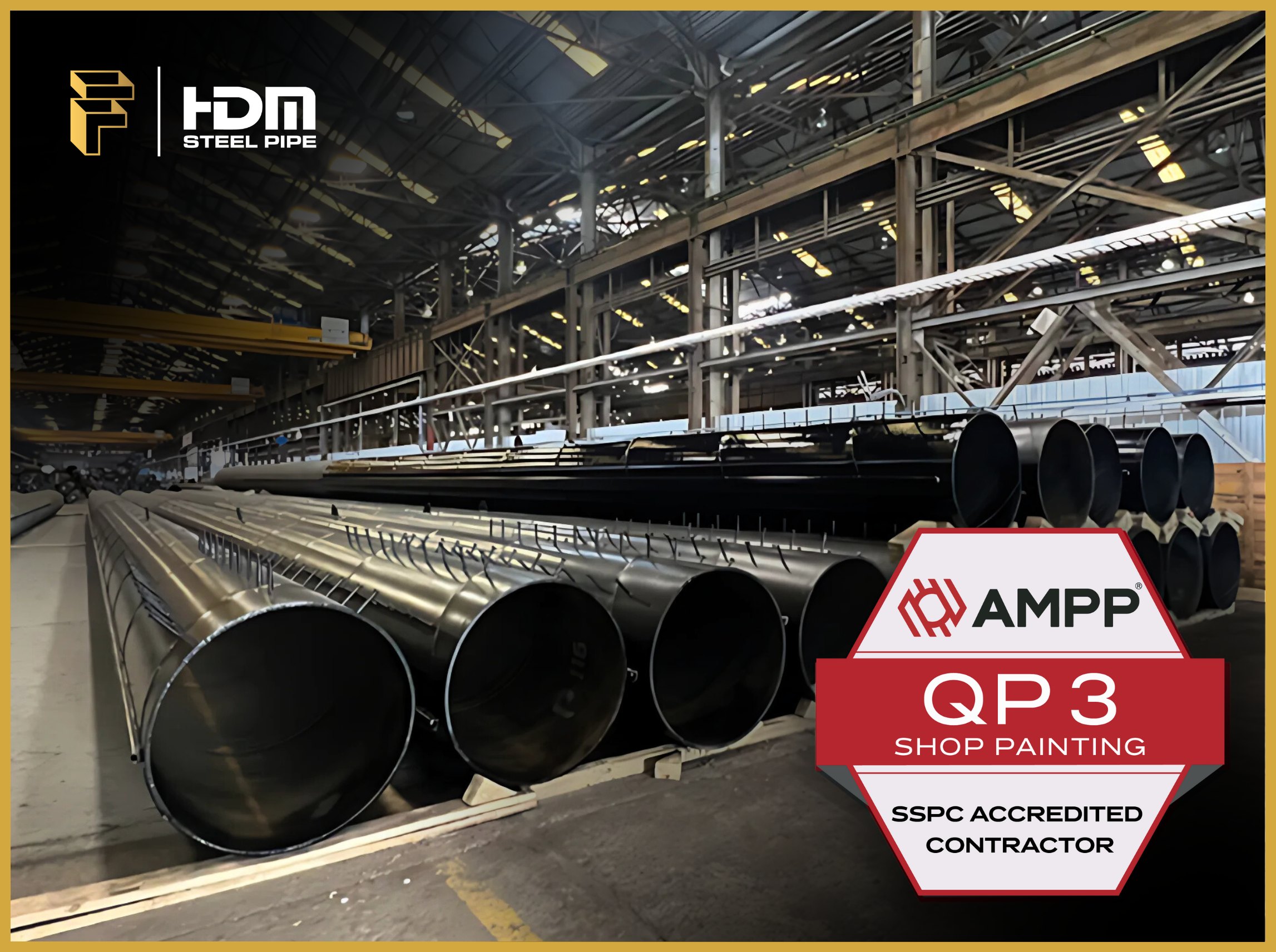
JDF-HDM Spiralweld Pipe Mill has been awarded QP3 Certification by AMPP
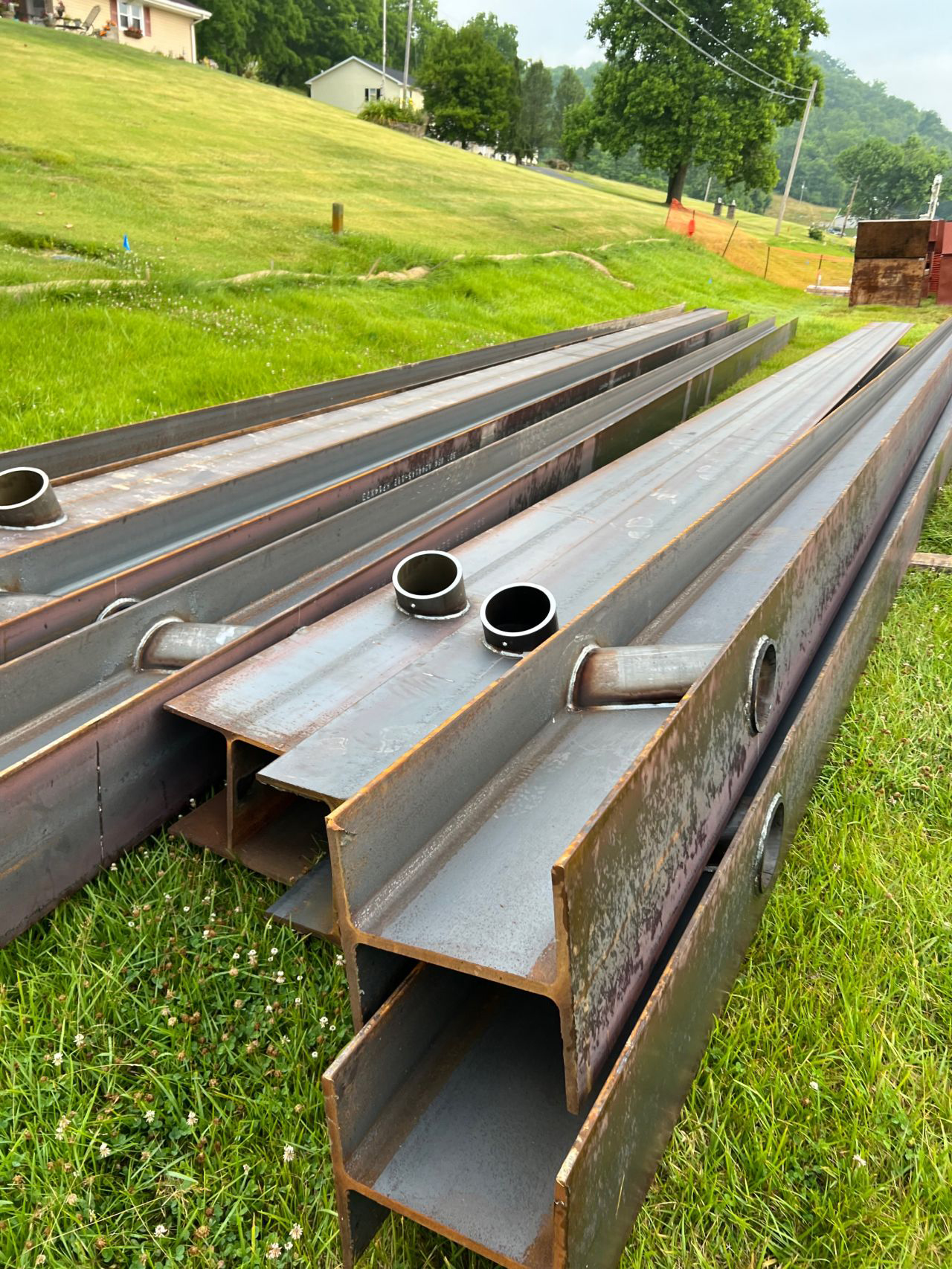
SR-156 Slide Repair - Switzerland County, Indiana
%20(1)_small.jpg)
McCoys Creek Restoration - Jacksonville, Florida
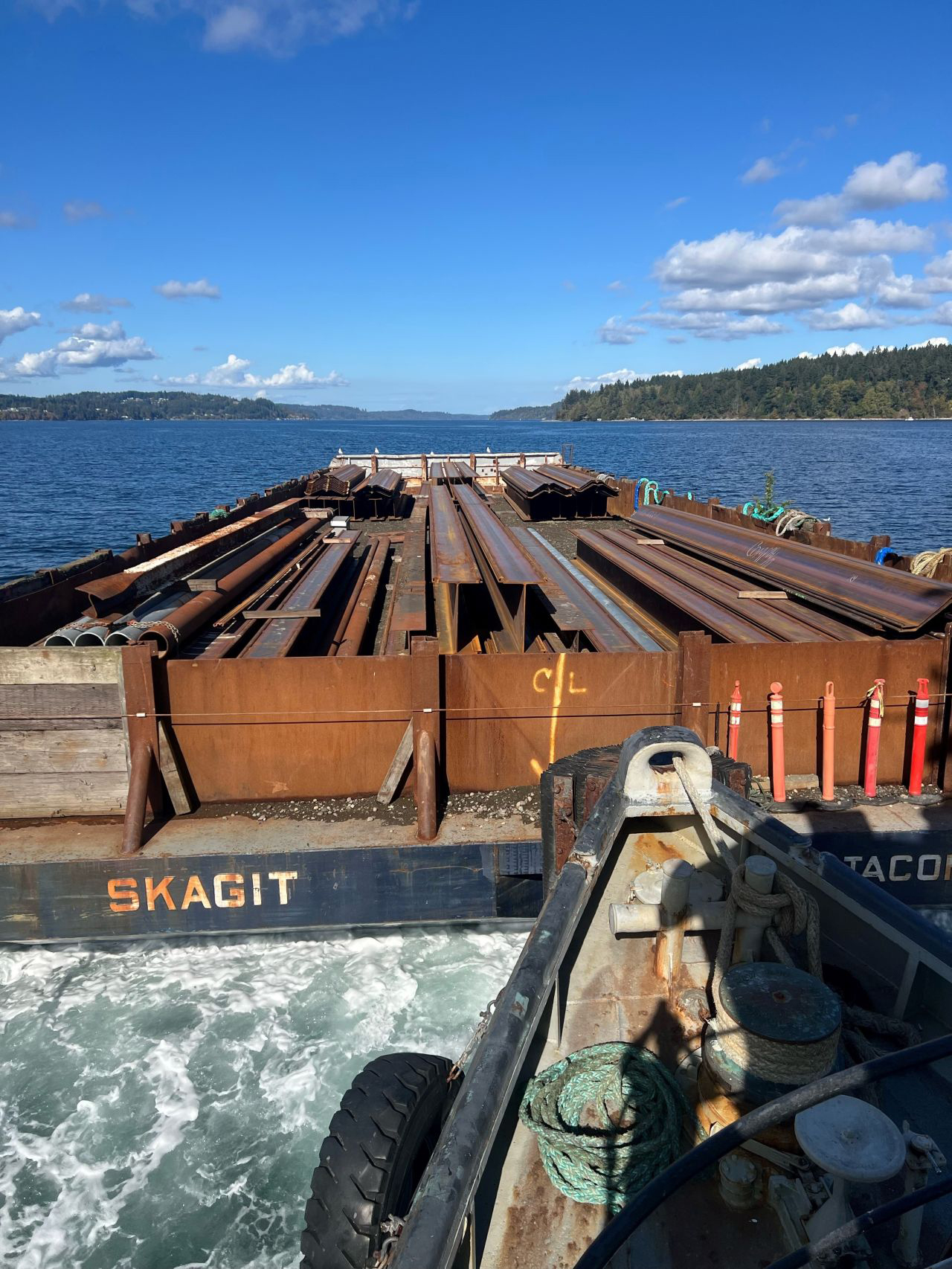
Port of Bellingham Terminals I & J Waterway Cleanup Action - Washington
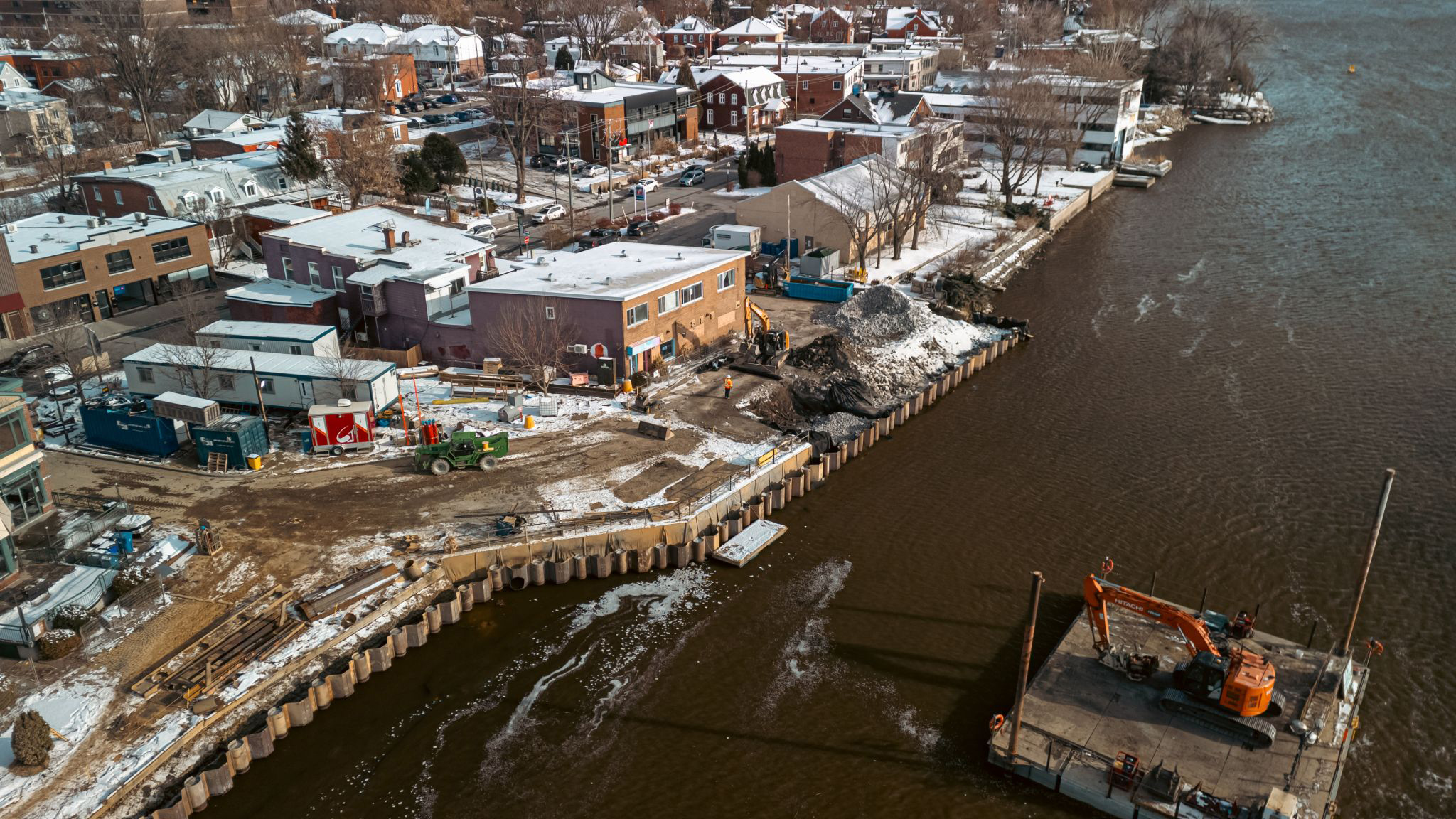
Pipe Z Combi-Wall Solution - Ste-Anne-de-Bellevue, QC
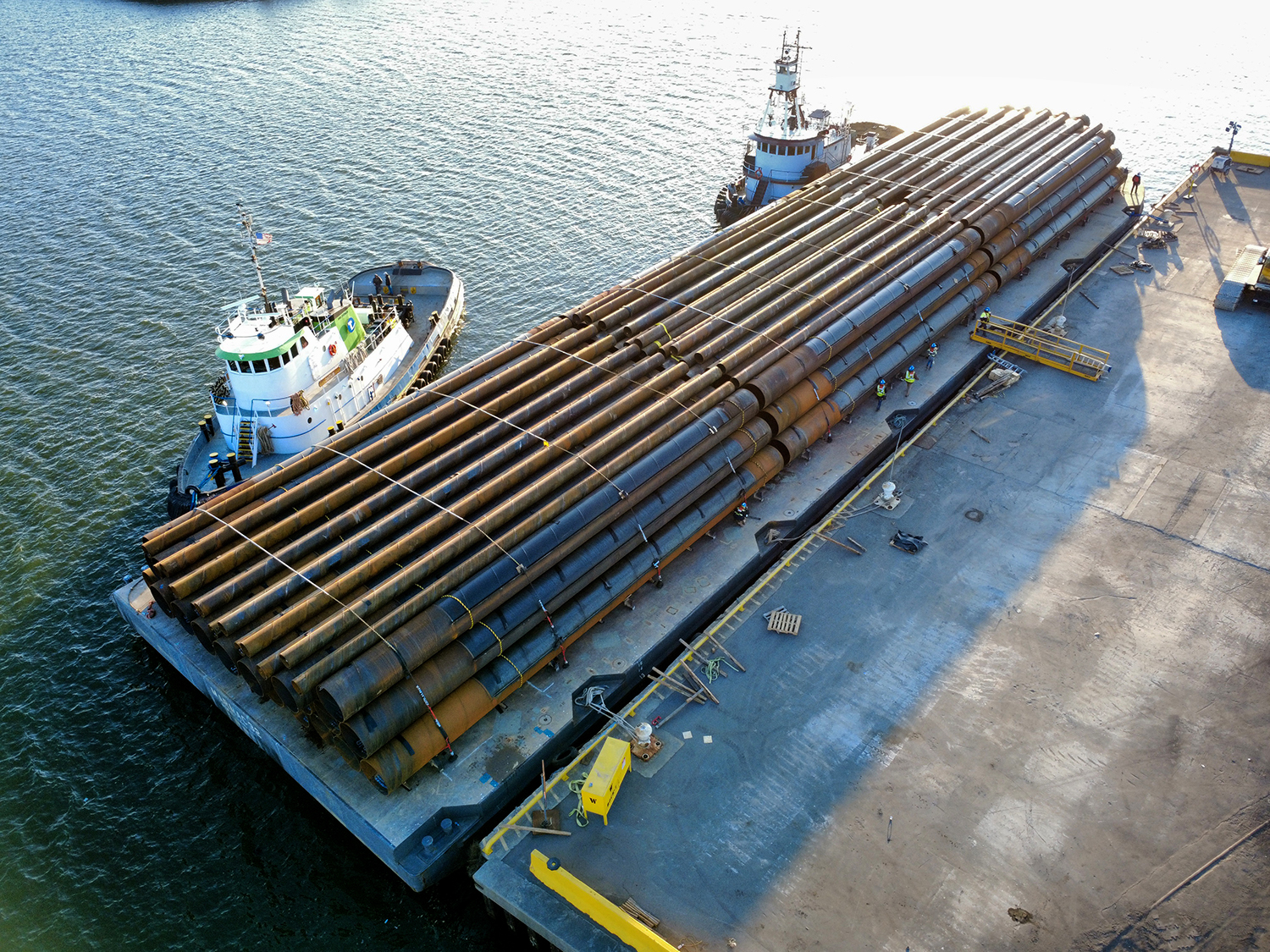
PZC Sheet Piles & Spiralweld Pipe - Port of Tampa Bay
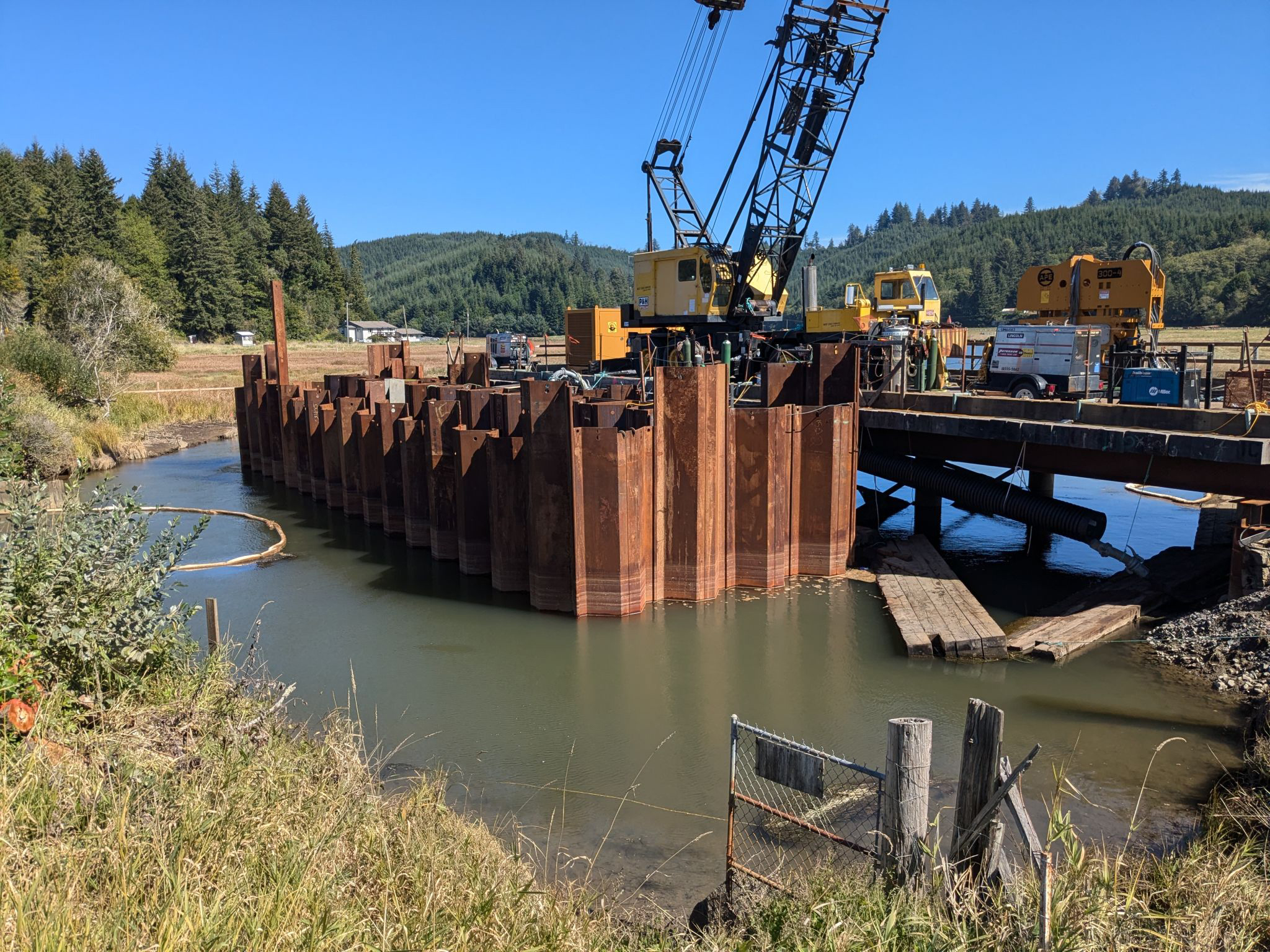
Tide Gate Structure - North Bend Oregon
.png)
Celebrating 40 Years of JD Fields: A Legacy of Excellence and Innovation
.jpeg)
The Evolution of High-Frequency Welded Line Pipe
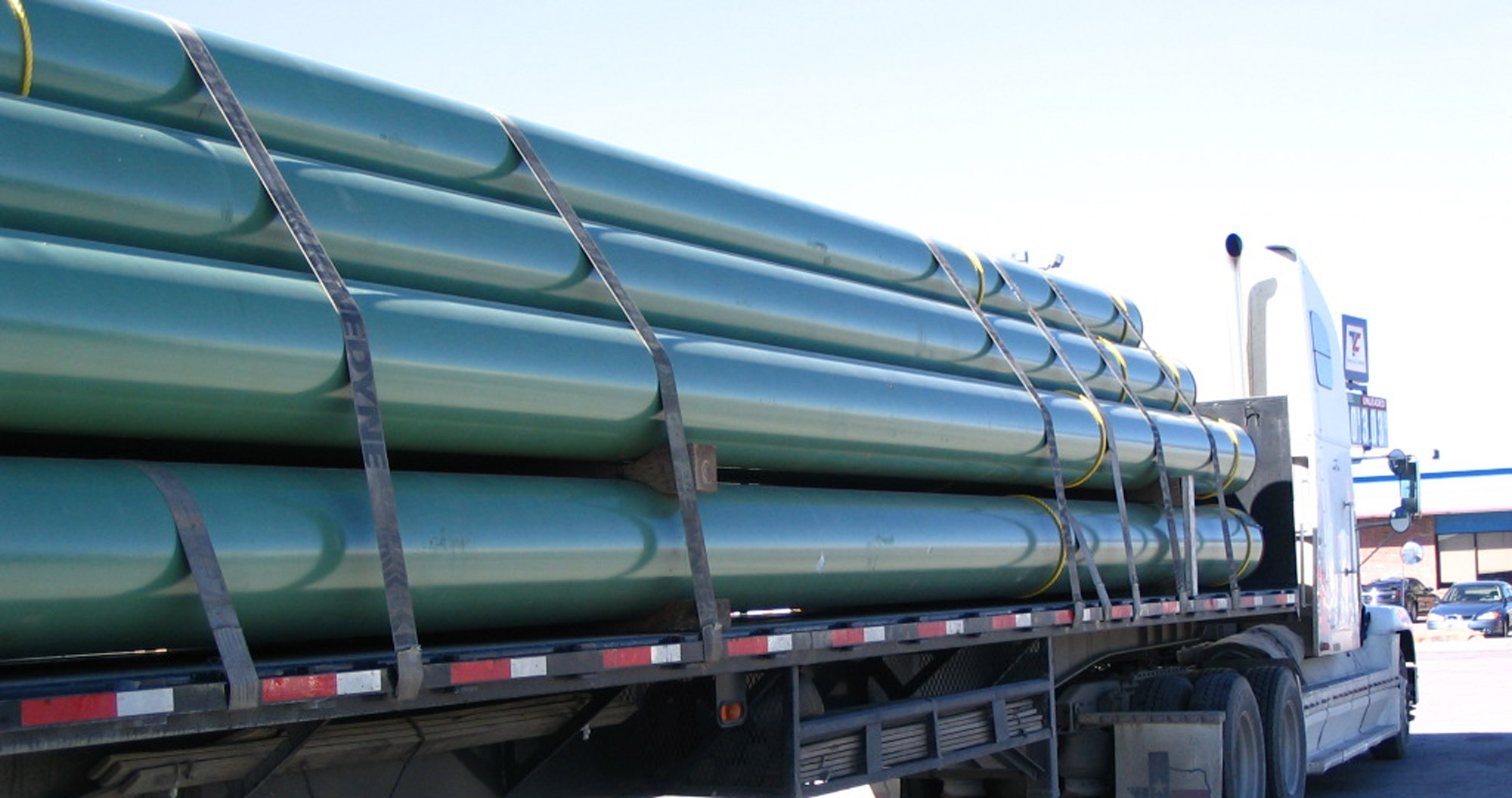
The Amazing Properties of Steel
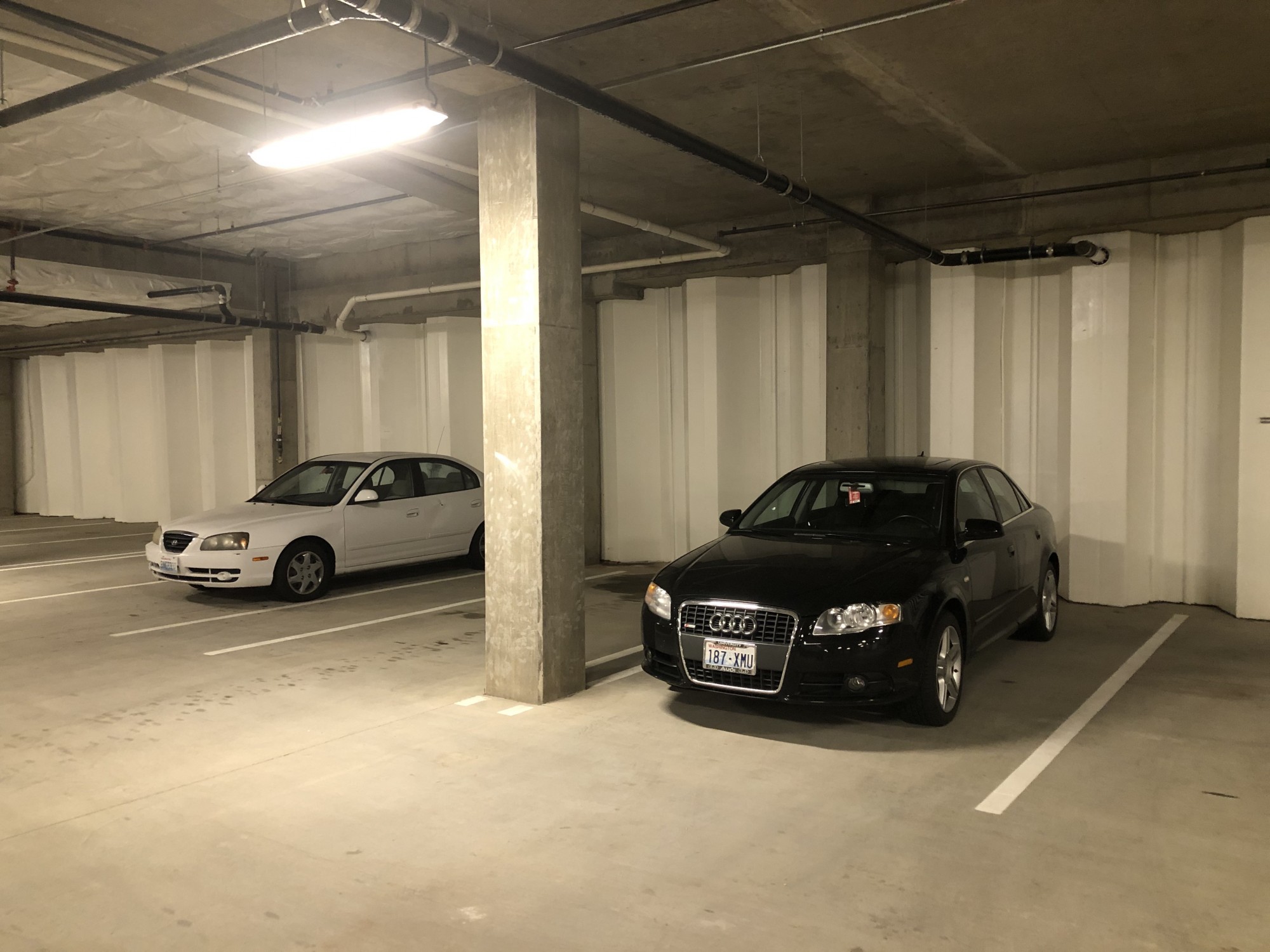
Going Down? Permanent Sheet Pile Foundations for Basement Structures
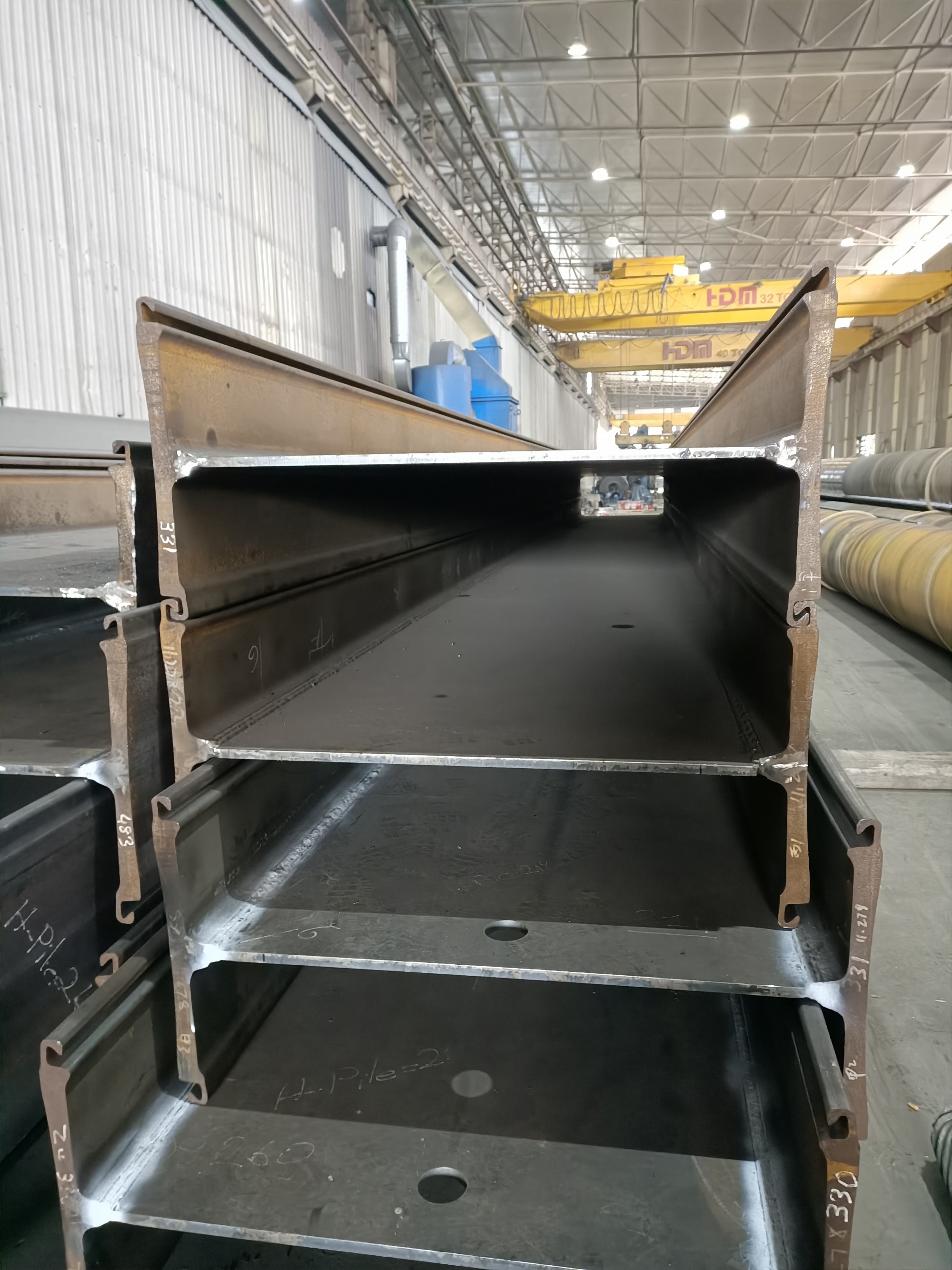
Evolution of Steel Piling Walls for Post Panamax Marine Structures
20-inch Lateral Relocation Pipeline News
Benefits of Line Pipe
2021 IFCEE